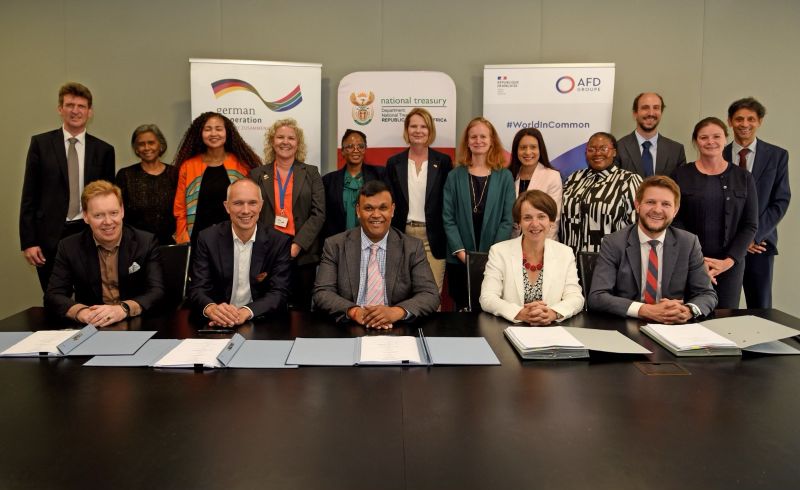
PRETORIA, Thursday 3 September 2026 — Germany and France have committed €300 million, equivalent to about R5.6 billion, in concessional financing to a National Treasury programme aimed at improving electricity, water, sanitation and waste services across South Africa’s eight metropolitan municipalities.
National Treasury announced the financing on Wednesday, saying Germany’s KfW Development Bank will provide €200 million while France’s Agence Française de Développement will contribute €100 million to the Metro Trading Services Reform programme.
The programme covers Johannesburg, Tshwane, Ekurhuleni, Cape Town, eThekwini, Nelson Mandela Bay, Mangaung and Buffalo City.
Together, the eight metros provide municipal services to more than 22 million residents and include several of the most politically competitive councils ahead of the 4 November local government elections.
Treasury’s Metro Trading Services Reform programme seeks to improve the financial and operational performance of municipal electricity, water and sanitation, and solid-waste operations.
A central objective is to ensure that revenue generated by those services is reinvested in infrastructure, helping municipalities reduce outages and address accumulated maintenance and investment backlogs.
The programme forms part of a broader attempt by national government to reverse deteriorating municipal infrastructure and financial performance.
National Treasury has already established a six-year R54 billion performance-linked incentive programme for the metros.
Under the reform framework, municipalities are expected to meet minimum planning, governance and accountability requirements before accessing incentives and must match incentive funding with their own investment in trading-service infrastructure.
The new European financing therefore supports an existing reform programme rather than providing unrestricted funding directly to metropolitan councils.
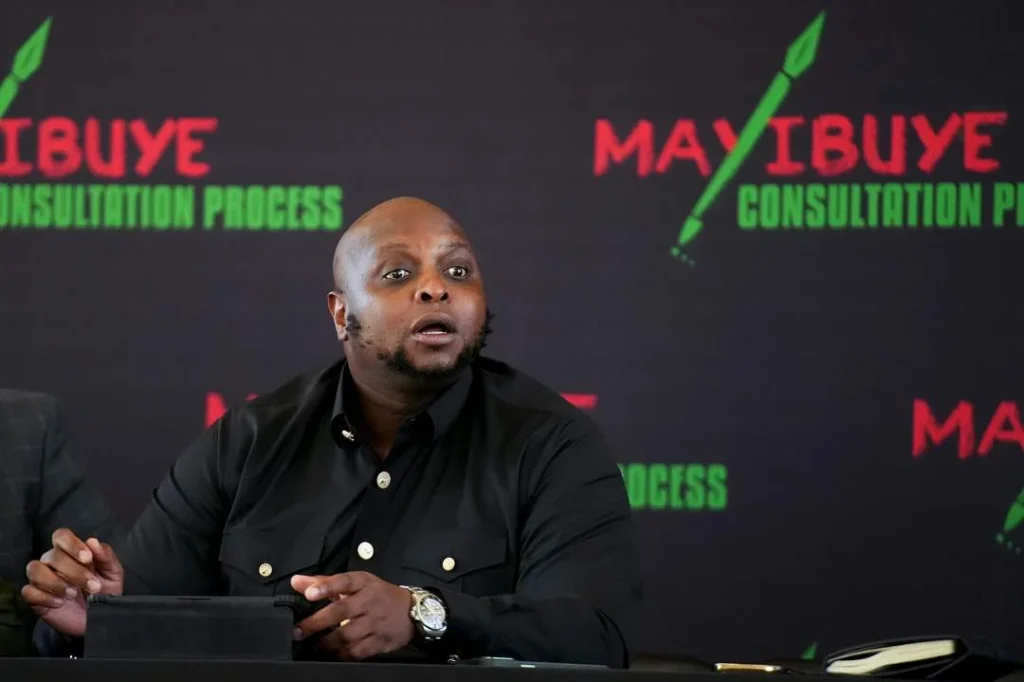
Finance Minister Enoch Godongwana said the additional financing strengthened government’s programme to improve governance, financial sustainability and the operational performance of metropolitan services.
“We welcome the continued partnership of Germany and France in supporting more reliable services, increased infrastructure investment and stronger, more sustainable cities,” Godongwana said.
Treasury said the metros will still need to increase their own infrastructure investment and secure additional financing because of the scale of their investment requirements.
Germany has separately provided another €350 million in concessional financing to Johannesburg and Cape Town over the past two years for electricity-grid infrastructure and renewable-energy integration.
France’s AFD has also previously provided direct municipal infrastructure financing to Johannesburg, eThekwini and Cape Town.
The latest €300 million commitment falls under the French and German Just Energy Transition mandate and will contribute to implementation of the municipal component of South Africa’s Just Energy Transition Investment Plan.
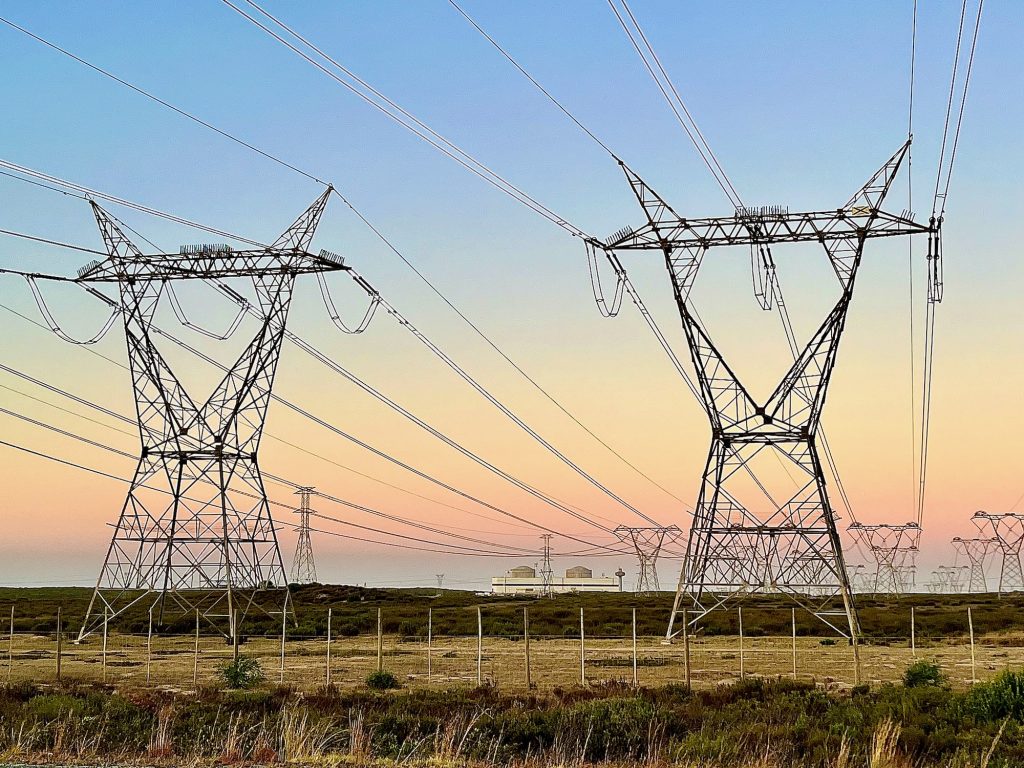
Treasury argues that functioning municipal electricity networks and other essential services are prerequisites for attracting the public and private investment required for the transition.
The announcement has additional political significance because municipal infrastructure and basic-service failures are expected to be central issues in the November election.
Johannesburg, Tshwane and Ekurhuleni have all experienced coalition governments since the ANC lost outright control of the Gauteng metros, while Nelson Mandela Bay has also experienced prolonged periods of coalition instability.
eThekwini lost its longstanding ANC majority in 2021, while Mangaung has experienced serious financial and administrative difficulties.
Cape Town remains under DA control, while Buffalo City is governed by the ANC.
The financing does not favour a particular municipal administration or political party: all eight metropolitan municipalities fall within the Treasury-led reform framework.
It could, however, place greater scrutiny on how individual metros manage electricity, water, sanitation and waste revenue and whether councils meet the conditions required to unlock performance-linked support.
Treasury’s existing programme requires stronger financial transparency, clearer accountability for individual trading services and credible turnaround and investment plans from participating municipalities.
The reform is also politically relevant beyond the November vote because municipal service failures have increasingly become a national fiscal concern rather than solely a local-government problem.
The success of the programme will ultimately depend on whether metropolitan administrations convert the additional financing and performance incentives into measurable improvements in infrastructure investment, revenue collection and service reliability.
With all eight metros entering an election in two months, progress — or continued deterioration — in those services will remain a significant measure against which incumbent administrations and parties seeking control of the councils are judged.