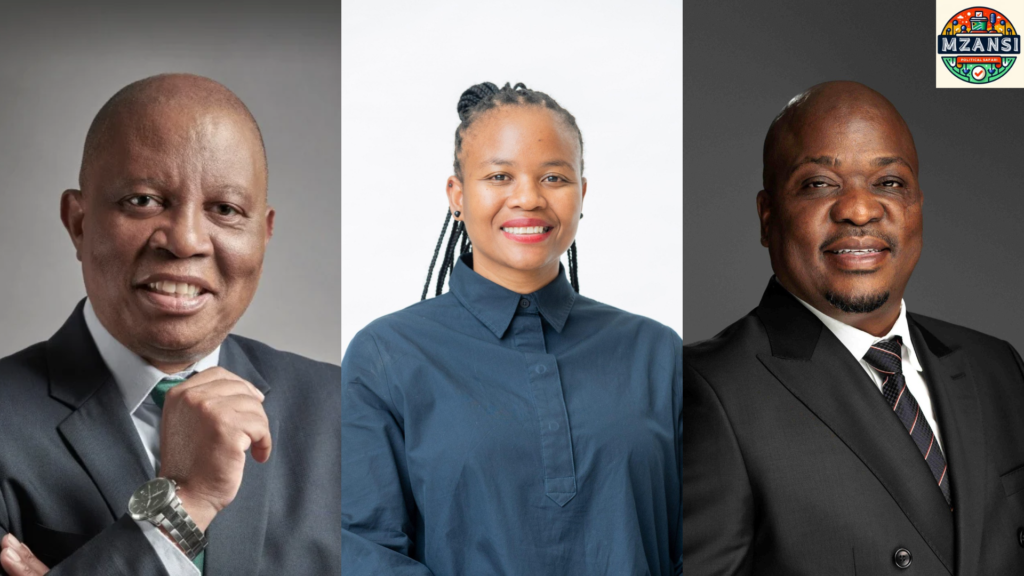
JOHANNESBURG, Sunday 29 November 2026 — The African National Congress (ANC) and ActionSA have secured the mayoral positions across Gauteng’s three metropolitan municipalities following coalition negotiations after the 4 November local government elections.
ActionSA will lead Johannesburg and Tshwane, while the ANC has secured the mayoralty in Ekurhuleni. The Economic Freedom Fighters (EFF) have also secured senior leadership positions in Tshwane and Ekurhuleni.
The arrangements have left the Democratic Alliance (DA) outside the governing leadership of all three municipalities, despite the party emerging as the largest political formation in each metropolitan council.
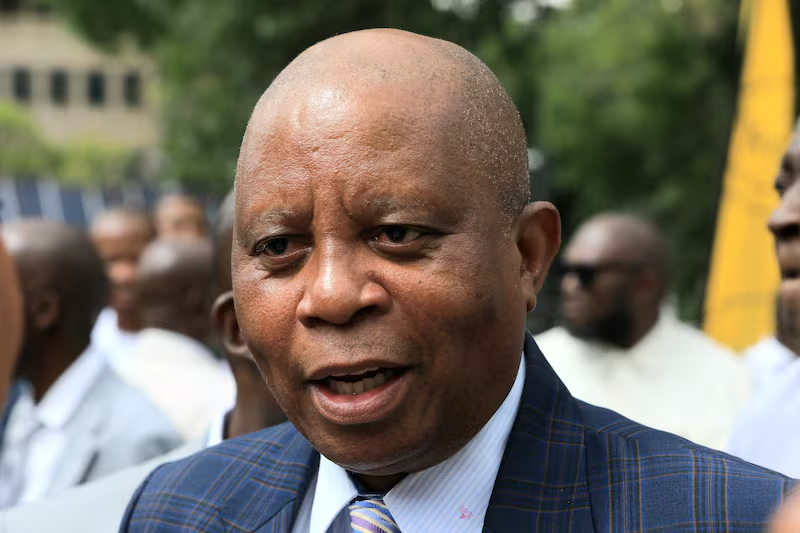
Johannesburg: Herman Mashaba returns as mayor
ActionSA leader Herman Mashaba was elected executive mayor of Johannesburg on Friday, defeating the DA’s Helen Zille by 170 votes to 97.
Mashaba returns to the position he previously occupied between 2016 and 2019, when he served as a DA councillor.
The ANC secured the positions of council speaker and deputy executive mayor through the election of Vhonani Adolf Marema and Thapelo Radebe respectively.
The new administration will operate in a hung council of 270 seats, requiring cooperation between political parties to approve budgets, policies and major municipal decisions.
Tshwane: Nasiphi Moya retains mayoral position
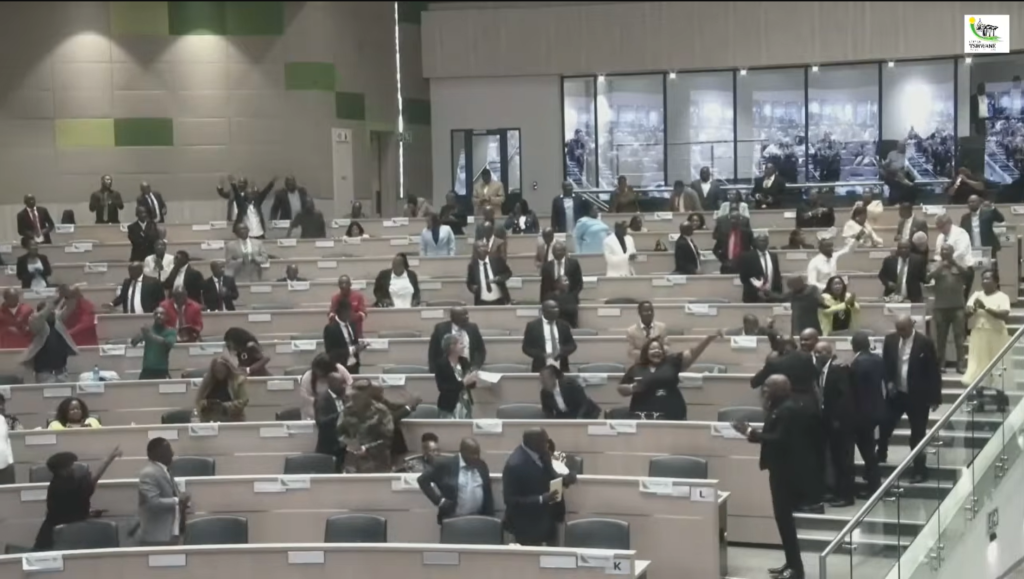
ActionSA’s Nasiphi Moya was re-elected executive mayor of Tshwane on Thursday, defeating former mayor and DA candidate Cilliers Brink by 115 votes to 87.
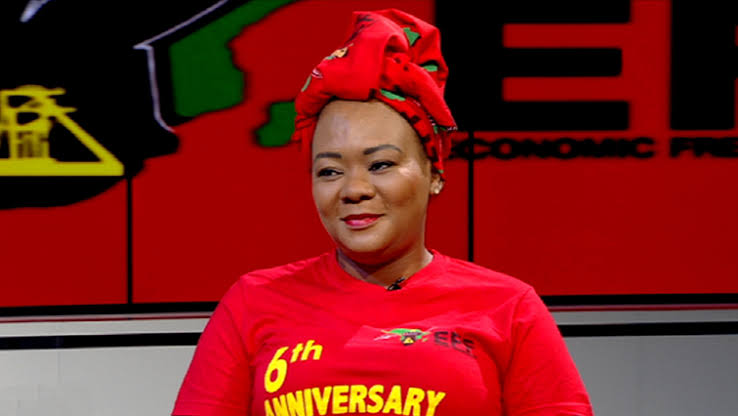
The ANC’s Naeem Patel was elected council speaker with 119 votes, while the EFF’s Omphile Maotwe was elected deputy executive mayor unopposed.
The ANC’s April Daniel Mabona was elected chief whip, also unopposed.
Moya’s re-election ensures continuity in the capital’s executive leadership, with the incoming administration expected to continue addressing municipal finances, infrastructure maintenance and service delivery.
Ekurhuleni: ANC secures mayoralty
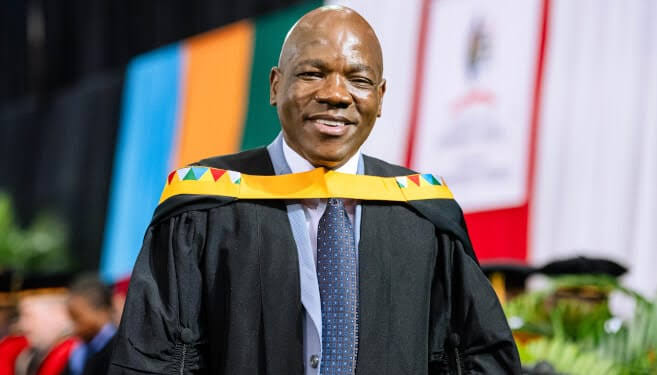
ANC councillor Mziyanda Mketsu was elected executive mayor of Ekurhuleni on Friday, receiving 141 votes against the 80 secured by the DA’s Khathutshelo Rasilingwane.
The EFF’s Nthabiseng Tshivenga was elected council speaker, while the ANC’s Philiswa Madlebe secured the chief whip position.
ActionSA’s Xolani Khumalo has been proposed for the position of deputy executive mayor, subject to the establishment of the office and completion of the necessary council processes.
Political leadership across Gauteng’s metros
| Position | Johannesburg | Tshwane | Ekurhuleni |
|---|---|---|---|
| Executive Mayor | Herman Mashaba (ActionSA) | Nasiphi Moya (ActionSA) | Mziyanda Mketsu (ANC) |
| Deputy Executive Mayor | Thapelo Radebe (ANC) | Omphile Maotwe (EFF) | Not yet elected |
| Council Speaker | Vhonani Adolf Marema (ANC) | Naeem Patel (ANC) | Nthabiseng Tshivenga (EFF) |
| Chief Whip | Nomoya Mnisi (ANC) — proposed | April Daniel Mabona (ANC) | Philiswa Madlebe (ANC) |
Coalition arrangements reshape Gauteng’s political landscape
The distribution of senior municipal leadership positions reflects cooperation between the ANC, ActionSA, EFF and other political formations following elections that produced no outright majority in any of Gauteng’s metropolitan councils.
While ActionSA has secured two of the province’s three metropolitan mayoralties, the ANC retains influence through executive and legislative leadership positions.
The EFF’s representation in senior municipal offices also gives the party a role in the governance of Tshwane and Ekurhuleni.
The exclusion of the DA from the governing arrangements highlights the distinction between emerging as the largest party in a municipal election and securing sufficient council support to form a government.
Attention is now expected to turn to the appointment of mayoral committees, the implementation of coalition commitments and the incoming administrations’ service delivery priorities.
The ability of the governing parties to maintain cooperation throughout the 2026–2031 municipal term will be central to the stability of all three metropolitan municipalities.