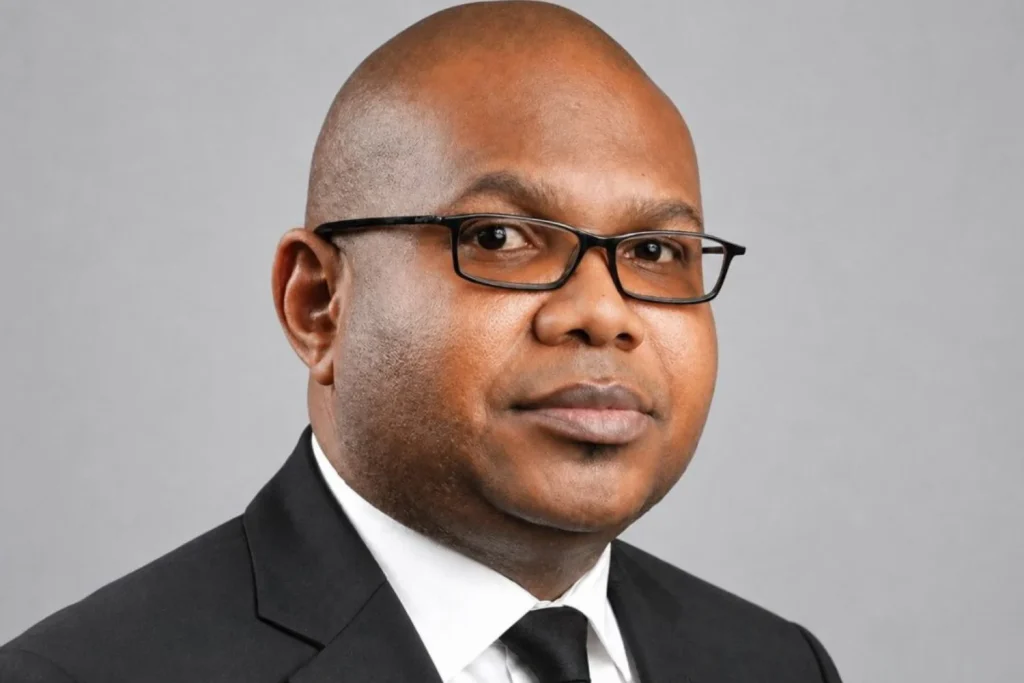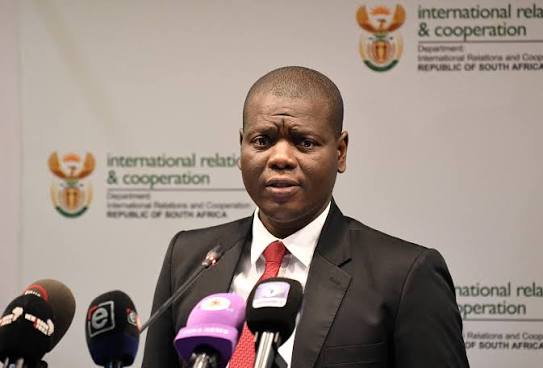
JOHANNESBURG, Tuesday 25 August 2026 — International Relations Minister Ronald Lamola has told the inquiry into delayed Truth and Reconciliation Commission cases that former justice ministers and other state institutions should account for their respective roles in the failure to investigate and prosecute apartheid-era crimes.
Lamola, who served as justice and correctional services minister from 2019 to 2024, was cross-examined on Monday by lawyers representing families of apartheid-era victims over the government’s handling of cases referred for investigation following the Truth and Reconciliation Commission process.
He told the inquiry that he could account for decisions taken during his own five-year term but said responsibility for earlier periods should be addressed by those who held authority at the time.
Lamola said accountability should extend beyond former justice ministers to institutions including the National Prosecuting Authority and the Department of Justice and Constitutional Development where their actions or omissions contributed to delays.
The inquiry has heard evidence that the investigation and prosecution of a number of cases arising from the TRC process stalled for years. Earlier testimony before the inquiry alleged that a lack of political will and interference had contributed to the limited progress made in some matters.
Lamola also defended his decision while justice minister not to support establishing a separate commission of inquiry into alleged interference in TRC-related prosecutions.
He said his department was operating under government-wide budget constraints and that his priority was to strengthen the capacity of the NPA and law-enforcement agencies to investigate and prosecute outstanding cases.
During cross-examination, Lamola was also questioned about a 2020 memorandum from then National Director of Public Prosecutions Shamila Batohi concerning alleged obstruction of TRC-related prosecutions.
Lamola said he did not recall the memorandum, which referred to the prolonged blocking of cases and the need for accountability for those responsible.
Lawyers representing victims’ families also questioned Lamola about planned consultations between government, families and civil-society organisations over stalled cases.
Lamola acknowledged that a process for engagement had been contemplated in 2019 but cited factors including the COVID-19 pandemic and budget constraints when explaining why the planned consultations had not proceeded as initially envisaged.
The inquiry is examining allegations that investigations and prosecutions arising from the TRC process were deliberately delayed or obstructed after the end of apartheid.
Its proceedings form part of a wider examination of why relatively few perpetrators identified through the TRC process faced prosecution despite cases being referred to law-enforcement authorities.
The inquiry is also awaiting a Constitutional Court ruling arising from applications by former presidents Thabo Mbeki and Jacob Zuma concerning the proceedings and the position of inquiry chairperson retired Justice Sisi Khampepe.
Further testimony is expected to assist the inquiry in determining whether the prolonged delays resulted primarily from institutional failures, resource constraints, political interference or a combination of factors.