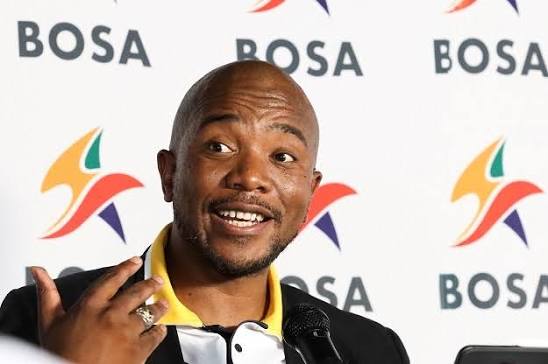
JOHANNESBURG, Wednesday 26 August 2026 — Build One South Africa will field 794 candidates across 24 municipalities in its first local government election, concentrating much of its campaign on five metropolitan municipalities where coalition negotiations could determine who governs after the 4 November vote.
The party confirmed on Wednesday that it will contest municipalities in Gauteng, the Western Cape, Limpopo, North West and the Free State, with its largest candidate slates concentrated in Johannesburg, Tshwane, Cape Town, Ekurhuleni and Mangaung.
BOSA will field 122 candidates in Johannesburg, 112 in Tshwane, 92 in Cape Town, 83 in Ekurhuleni and 61 in Mangaung, according to Eyewitness News.
The scale of the metro campaign gives BOSA a potentially significant role in an election where several major councils are expected to remain without outright majorities.
Party leader Mmusi Maimane said BOSA had deliberately selected municipalities where it believes it has an existing support base and where coalition politics could become important after the election.
The party will contest eight municipalities in Gauteng, including all three metros — Johannesburg, Tshwane and Ekurhuleni — as well as Mogale City, Merafong City, Rand West City, Emfuleni and Lesedi.
In the Western Cape, it will contest Cape Town, Kannaland, Oudtshoorn and Beaufort West.
Its Limpopo campaign includes Polokwane, Lephalale, Greater Giyani and Fetakgomo Tubatse among 11 municipalities, while BOSA will also contest JB Marks in North West and Mangaung in the Free State.
BOSA has already selected mayoral candidates for four of the metros at the centre of Wednesday’s announcement.
MP Nobuntu Hlazo-Webster is its candidate for Johannesburg, Martha Moshiga will contest Tshwane, Nongelo Chiume will lead its Ekurhuleni campaign and party spokesperson Roger Solomons is its Cape Town mayoral candidate.
The party has not presented itself as likely to win outright control of the major metros. Instead, its choice of municipalities places it in contests where relatively small parties could become important to the formation of governing coalitions.
Johannesburg, Tshwane and Ekurhuleni have all experienced coalition governments during the current municipal term.
Mangaung is also one of South Africa’s eight metropolitan municipalities, while Cape Town remains governed by a DA majority.
BOSA said 37% of its candidates are younger than 35 and 45% are women. The party said its slate includes teachers, engineers, healthcare workers, lawyers, businesspeople and community activists.
The election will be BOSA’s first attempt to establish a municipal footprint.
The party was formed by Maimane ahead of the 2024 national and provincial elections and is now seeking representation in councils that could provide it with a more extensive local organisational base.
Maimane described the November election as an opportunity for voters to judge the political arrangements that have developed since the 2024 national election, while placing service delivery at the centre of BOSA’s campaign.
The party says its municipal priorities will include water, electricity, roads, refuse collection and local administrative performance.
BOSA is expected to launch its full local government manifesto on 4 September.
Wednesday’s announcement comes two days before the Electoral Commission’s deadline for candidate nominations.
Political parties and independent candidates have until 17:00 on Friday, 28 August to complete their submissions. Chief electoral officer Sy Mamabolo has said no ordinary corrections or amendments will be allowed after the deadline.
BOSA’s decision to concentrate hundreds of candidates in major metros will make its performance particularly relevant to post-election coalition arithmetic.
The first indication of its potential influence will come from whether it can convert its 2024 national support into meaningful council representation, particularly in Johannesburg, Tshwane and Ekurhuleni, where even relatively small shifts in votes could affect which combinations of parties are capable of forming governments.