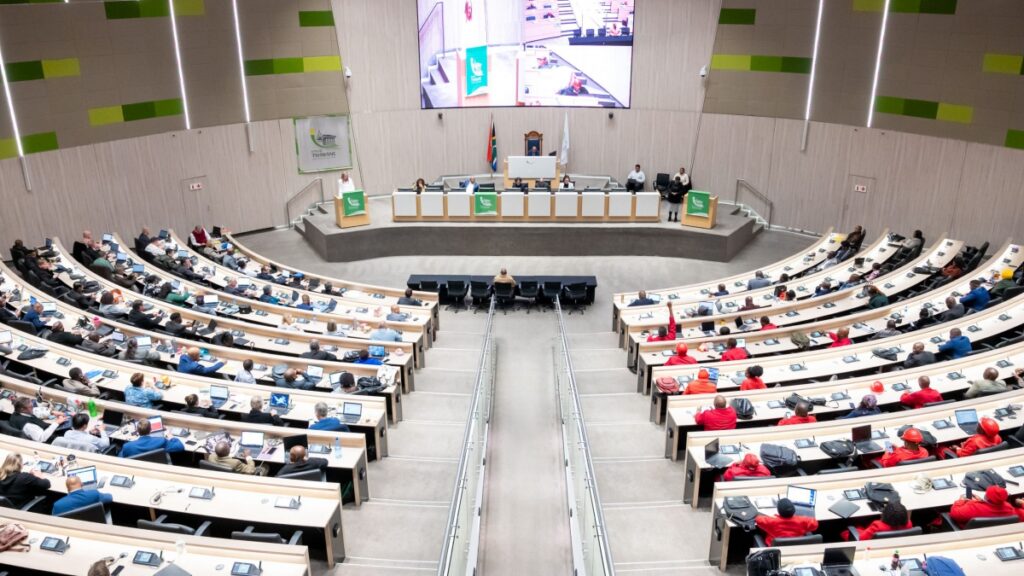
PRETORIA, Wednesday 11 November 2026 — South Africa’s 2026 Local Government Elections have concluded, but the declaration of election results is only the first stage in establishing the country’s newly elected municipal councils.
Following the Electoral Commission’s (IEC) declaration of the results on Sunday, 8 November, municipalities must now establish their councils, elect political office-bearers and determine the executive structures that will govern them.
The process is regulated primarily by the Local Government: Municipal Structures Act, which sets out how municipal councils are constituted and how their political leadership is elected.
1. The IEC declares election results
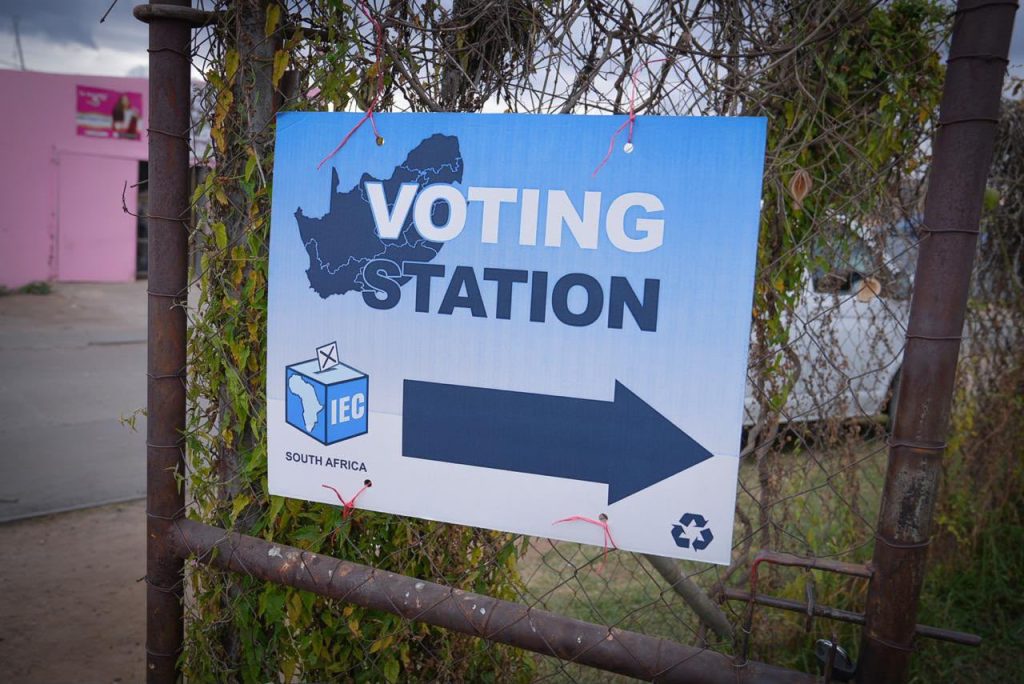
After voting stations close, the IEC counts and verifies votes before determining the results and allocating seats in municipal councils.
South Africa uses a mixed electoral system for metropolitan and local municipalities, combining directly elected ward councillors with proportional representation (PR) councillors selected from party lists.
Ward councillors are elected by voters in their respective wards, while PR seats are allocated according to the applicable proportional representation calculations.
The allocation process is designed to ensure that the overall composition of municipal councils reflects electoral support, subject to the rules of the electoral system.
Once councillors have been declared elected, they assume office in accordance with the Municipal Structures Act.
The results also establish whether a political party has secured an outright majority of council seats or whether parties will need support from other councillors to govern.
2. Newly elected municipal councils must meet
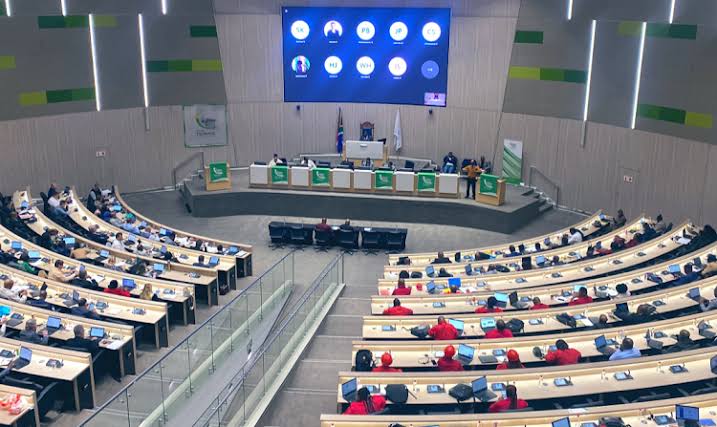
Section 29(2) of the Municipal Structures Act requires the municipal manager, or a person designated by the provincial MEC responsible for local government where the municipal manager is unavailable, to convene the first meeting of a newly elected council.
For metropolitan and local municipalities, the meeting must take place within 14 days after the council has been declared elected.
District municipalities follow a different timetable. Their first council meetings must take place within 14 days after all the representatives to be appointed by local councils have been appointed.
This distinction is important because the legal deadline is determined by the applicable council declaration or appointment process, rather than simply by the date on which voting took place.
The first meeting allows councillors to formally establish the council’s political leadership.
3. Councillors elect a Speaker
One of the first responsibilities of a newly elected municipal council is to elect its Speaker.
Under Section 36 of the Municipal Structures Act, the Speaker is elected by councillors from among their own members.
The municipal manager, or a person designated by the provincial MEC where applicable, presides over the election of the Speaker.
Once elected, the Speaker becomes responsible for presiding over council meetings, maintaining order and ensuring that meetings comply with the council’s rules and procedures.
The Speaker also has oversight and accountability responsibilities under the legislation.
Importantly, the Speaker and the mayor perform different functions. The Speaker presides over the full municipal council, while the mayor performs political and executive responsibilities according to the municipality’s governing system.
4. The council elects a mayor
Municipal mayors are not directly elected by residents during local government elections.
Instead, the newly elected councillors elect a mayor or executive mayor from among the members of the council.
The procedure depends on the type of municipal executive system in place.
Municipalities operating under a mayoral executive system elect an executive mayor, who exercises the responsibilities assigned by law and may appoint a mayoral committee.
Municipalities operating under a collective executive system elect an executive committee, which in turn elects a mayor from among its members.
The legislation also provides for deputy mayors or executive deputy mayors where applicable.
The election of municipal office-bearers follows the procedures prescribed in Schedule 3 of the Municipal Structures Act.
5. What happens when no party wins a majority?
A municipal council is commonly described as a hung council when no political party secures more than half of its seats.
In such circumstances, political parties may negotiate coalition agreements or other arrangements to secure enough support to elect office-bearers and make council decisions.
Negotiations may involve the election of the Speaker and mayor, the composition of executive structures, agreed policy priorities and arrangements for cooperation in council.
A coalition agreement does not itself elect a mayor or transfer executive authority to a political party. The required decisions must still be taken through the council’s formal procedures.
An outright majority is not always necessary for one party’s candidate to be elected if that candidate receives sufficient support from councillors representing other parties.
6. Municipal executive structures are established
After the election of the political leadership, the municipality must establish the applicable executive arrangements.
In a mayoral executive system, the executive mayor may appoint councillors to serve on a mayoral committee.
In a collective executive system, executive authority is exercised through an executive committee constituted in terms of the Municipal Structures Act.
Municipal councils also establish committees responsible for oversight, public accountability and other functions.
The precise arrangements depend on the municipality’s category, executive system and applicable legislation.
7. What happens to municipal services?
Municipal elections change the composition of the political council, but do not automatically bring municipal administration to an end.
Municipal managers, administrative departments and municipal employees remain responsible for carrying out their functions in accordance with the applicable employment and legal arrangements.
Essential services, including water, sanitation, electricity distribution where applicable, refuse collection and other municipal responsibilities, must continue during the political transition.
The newly established council becomes responsible for exercising the municipality’s legislative and oversight authority, while the executive structures perform their legally assigned functions.
The council must also continue to oversee municipal finances, service delivery and development planning.
8. Can residents participate after the elections?
Public participation does not end when election results are announced.
Residents may continue to engage municipal representatives, attend council meetings where they are open to the public, participate in ward structures and make submissions through established municipal consultation processes.
Municipalities are required to provide opportunities for public involvement in local government decision-making.
Residents can also monitor council decisions, municipal budgets and service delivery commitments during the new term.
What happens next?
Following the declaration of the 2026 election results, attention will turn to the first council meetings and the election of Speakers, mayors and other municipal office-bearers.
In municipalities without outright majorities, negotiations between political parties may influence the composition of the new political leadership.
The establishment of these structures will determine how municipalities are governed during the new council term, while the statutory responsibilities of municipal councils and administrations remain in force.