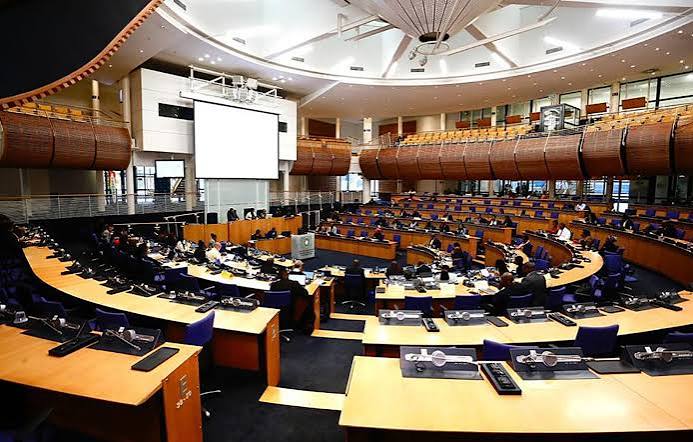
CAPE TOWN, Thursday 12 November 2026 — The GOOD Party has named the six councillors who will represent it in the City of Cape Town following the 4 November local government elections, confirming its municipal delegation after securing six proportional representation seats.
The announcement, reported on Wednesday, follows GOOD’s earlier decision not to submit a full list of proportional representation candidates before the elections. The party has instead selected six unsuccessful ward candidates to fill its council positions.
The councillors are Roscoe Palm, Lulama Benge, Ayesha Mahatey, Kaden Arguile, Fiona O’Keane-Cloete and Lorenzo Johnson.
Palm and Benge are returning GOOD councillors, while Mahatey serves as the party’s national youth chairperson. O’Keane-Cloete is a former radio broadcaster, and Johnson is a land and housing activist.
GOOD secretary Brett Herron said the party’s representatives would focus on municipal tariff reform, affordable housing, public land management, safety programmes and transparency in municipal procurement.
The party wants the city to reconsider the sale of publicly owned land that could be used for affordable housing and redirect some safety resources towards programmes for young people.
Herron said the six councillors would seek to hold the Democratic Alliance-led administration accountable and advance the party’s election commitments.
GOOD’s confirmation of its representatives is particularly relevant because it was among the parties involved in an Electoral Court dispute over proportional representation candidate lists before the elections.
In a judgment delivered on 30 October, the Electoral Court considered a Democratic Alliance challenge involving GOOD, ActionSA, the Economic Freedom Fighters and the uMkhonto weSizwe Party. The dispute concerned the legality of submitting abbreviated candidate lists.
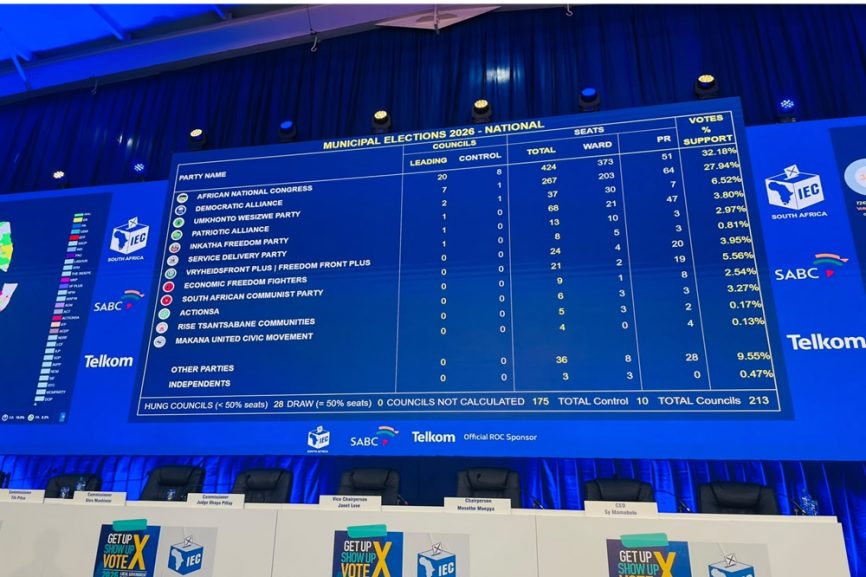
The Democratic Alliance retained its outright majority in Cape Town, winning 133 of the council’s 235 seats. The ANC secured 33 seats, while GOOD won six.
GOOD will therefore serve in opposition rather than as a necessary coalition partner in the city.The new councillors will take up their roles as Cape Town establishes its post-election council and begins the next municipal term.