CAPE TOWN, Monday 7 September 2026 — The Western Cape High Court has reserved judgment in President Cyril Ramaphosa’s bid to overturn the independent Section 89 panel report that found he had a case to answer over the Phala Phala matter, leaving Parliament’s public impeachment hearings suspended while the court considers whether the panel acted lawfully.
The three-day review hearing concluded on Friday before a full bench led by Western Cape Judge President Nolwazi Mabindla-Boqwana, with judges Mark Sher and Ncumisa Mayosi. The court said it would consider the competing arguments before handing down judgment.
The case is consequential because the outcome could determine whether Parliament proceeds with a public impeachment inquiry into the President or whether the 2022 independent panel report underpinning that process is set aside.
Ramaphosa’s legal team argued that the panel applied the wrong legal test when it concluded there was prima facie evidence that he may have committed serious constitutional violations or serious misconduct.
Advocate Wim Trengove SC, representing Ramaphosa, argued that the panel was required to determine whether there was “sufficient evidence” to justify exposing a sitting president to a full impeachment inquiry rather than merely asking whether a prima facie case existed.
He told the court that the panel should have weighed Ramaphosa’s explanation alongside the allegations instead of applying a threshold that, in his submission, effectively disregarded exculpatory evidence.
Ramaphosa also argues that the panel exceeded the scope of the charges before it and failed to properly determine whether any alleged misconduct was intentional and committed in bad faith.
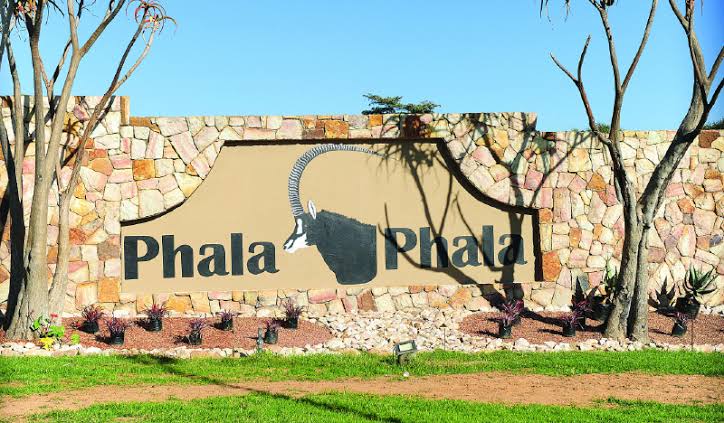
The President’s case centres on the independent panel report produced after foreign currency was stolen from his Phala Phala game farm in Limpopo in February 2020.
The report found that sufficient grounds existed for Parliament to consider whether Ramaphosa may have committed serious violations in connection with the source and handling of the money, the reporting of the burglary and the subsequent investigation.
Ramaphosa denies wrongdoing.
His lawyers argued during the review that ownership of and involvement in his farming interests did not amount to prohibited paid work under the Constitution.
They also said Ramaphosa had informed the head of the Presidential Protection Unit, Major-General Wally Rhoode, about the burglary and expected the matter to be dealt with through appropriate police processes.
Opposition parties opposing the review argue that the panel was never intended to determine Ramaphosa’s guilt or innocence.
Advocate Dali Mpofu SC, appearing for the MK Party, argued that its role was instead to decide whether there was enough material to justify moving the allegations into Parliament’s more extensive impeachment process.
The opposition parties also questioned whether the High Court should intervene before Parliament has completed its constitutional accountability process.
They argue that disputed evidence can be tested through mechanisms available to the Section 89 Impeachment Committee, including witnesses, subpoenas and cross-examination.
Ramaphosa’s lawyers countered that this would undermine the purpose of the independent panel.
Trengove characterised the panel as a protective screening mechanism intended to prevent a president from being subjected to a potentially damaging public impeachment process where the evidence does not meet the required threshold.
The dispute follows a major Constitutional Court ruling earlier this year.
On 8 May 2026, the Constitutional Court ruled in litigation brought by the EFF and ATM concerning Parliament’s handling of the Phala Phala report.
The judgment resulted in the report being referred back into Parliament’s Section 89 impeachment process.
Parliament subsequently constituted an Impeachment Committee chaired by Rise Mzansi MP Makashule Gana.
Ramaphosa then launched the current review of the independent panel report and separately sought an urgent order preventing Parliament from proceeding with public hearings while that review remained unresolved.
On 24 July, the Western Cape High Court granted an interim interdict preventing the Speaker of the National Assembly and the impeachment committee from proceeding with public hearings pending determination of the review.
The order does not terminate the impeachment process.
Parliament has continued preparatory work that does not involve public hearings.
The Impeachment Committee has, among other issues, been considering its terms of reference and the appointment of an evidence leader.
The pending judgment therefore sits at the intersection of the powers of the courts and Parliament.
If Ramaphosa succeeds and the panel report is reviewed and set aside, Parliament will have to determine what remains of the current impeachment process and whether a legally sustainable basis exists to continue it.
If the review fails, the temporary barrier preventing public impeachment hearings would fall away once the court’s existing interdict ceases to operate in accordance with its order.
The High Court’s July ruling expressly states that the Speaker and impeachment committee are interdicted from holding public hearings “pending the determination” of Ramaphosa’s review.
That makes the reserved judgment the next decisive procedural step.
The case also has political consequences beyond Parliament.
Ramaphosa remains President of the country and leader of the ANC as the party campaigns in the 4 November 2026 local government elections, while opposition parties including the EFF and MK Party continue to use Phala Phala as part of their broader argument about presidential accountability.
The court is not deciding whether Ramaphosa should be removed from office.
Its immediate task is to determine whether the independent panel that triggered the impeachment pathway performed its constitutional and procedural role lawfully.
Until judgment is delivered, the public phase of Parliament’s impeachment inquiry remains on hold.