KEMPTON PARK, Tuesday 13 October 2026 — The Congress of South African Trade Unions (COSATU) has resolved to support both the African National Congress (ANC) and South African Communist Party (SACP) in the 4 November local government elections, seeking to maintain unity within the tripartite alliance as the two parties compete against each other.
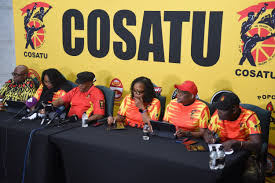
The decision was announced during COSATU’s 15th National Congress at Emperors Palace in Kempton Park on Tuesday.
It represents a significant shift from the federation’s traditional electoral support for the ANC, following the SACP’s decision to contest municipal elections independently.
Federation adopts dual-support position
The resolution forms part of a series of decisions presented to delegates during the congress.
COSATU representative Gerald Twala said the federation would reaffirm its commitment to the alliance while encouraging workers to support both political parties.
The resolution seeks to prevent disagreements between the ANC and SACP from dividing organised labour.
It also calls for structured engagements between alliance partners and affiliated unions to develop a coordinated election strategy.
The federation wants these discussions to address municipalities where the ANC and SACP will contest the same elections.
ANC and SACP compete for traditional support
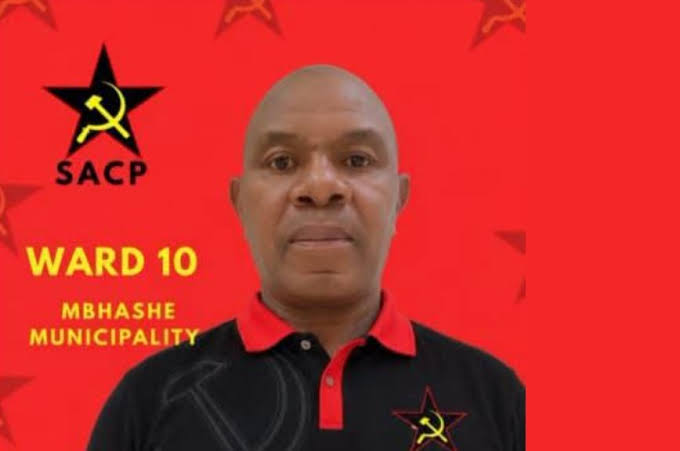
The SACP’s decision to contest the municipal elections independently has created tensions within the alliance.
Historically, the SACP supported the ANC during elections rather than fielding candidates under its own banner.
Its decision to contest the November elections means the two organisations will compete directly for votes in several municipalities.
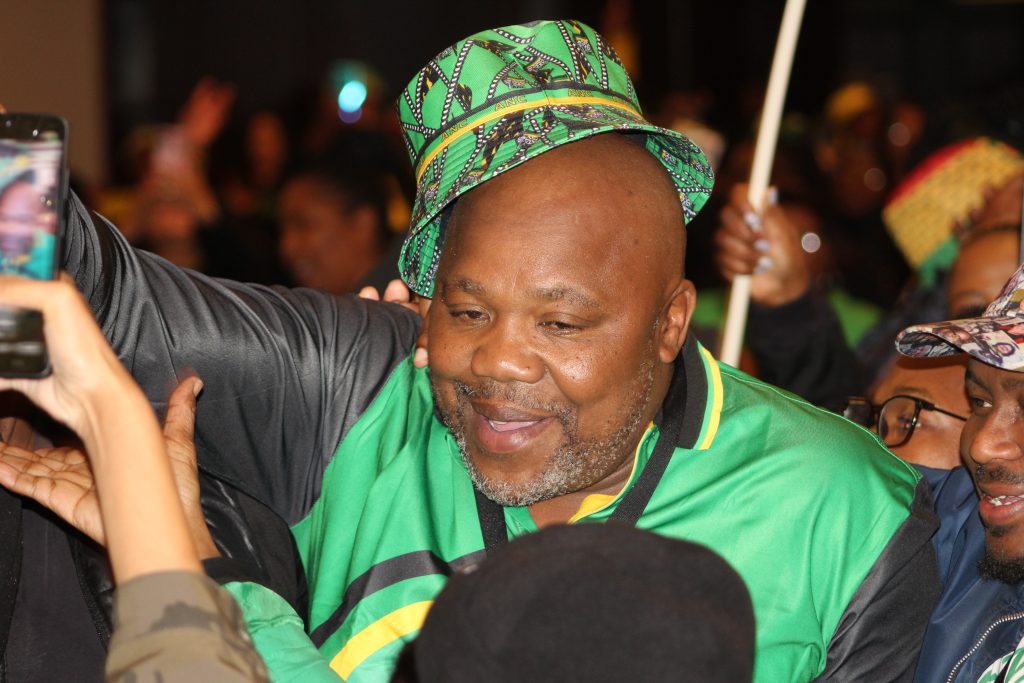
The ANC has maintained that members, including those holding dual ANC-SACP membership, may not campaign against officially endorsed ANC candidates.
In April, the ANC reaffirmed provisions of its constitution prohibiting members from supporting rival electoral organisations.
The party has warned that members who campaign for the SACP against ANC candidates could face disciplinary action.
COSATU seeks to prevent alliance divisions
COSATU’s decision follows months of disagreement among affiliated unions over which party should receive their support.
Some affiliates have favoured continued support for the ANC, while others have backed the SACP’s independent electoral campaign.
The federation had previously indicated that its national congress would determine its position after consultations with member unions.
Tuesday’s resolution avoids requiring COSATU nationally to choose one alliance partner over the other.
However, the decision does not establish how individual affiliates will organise their election campaigns or allocate campaign resources.
Those practical arrangements may require further discussions.
Mantashe walkout highlights tensions
The resolution follows a dispute at the congress on Monday involving ANC national chairperson Gwede Mantashe.
Mantashe left the proceedings without delivering his scheduled message after disagreeing with organisers over the order in which alliance representatives would address delegates.
He subsequently explained that his objection concerned established alliance protocol.
The incident highlighted tensions between the ANC and SACP as they prepare to compete for municipal representation.
COSATU’s resolution was adopted against this backdrop.
Alliance summit proposed
The federation has called for an urgent alliance summit to address the political disagreements.
It wants the ANC, SACP and organised labour to discuss how their relationship should function when alliance partners contest elections against each other.
The resolution also calls for electoral strategies that strengthen worker unity rather than create divisions.
The outcome could influence how organised labour participates in municipal election campaigns during the remaining weeks before voting.
COSATU’s next challenge will be translating its dual-support position into practical arrangements while maintaining relationships with both political parties.
With the elections approaching, the federation’s decision establishes a common national position but leaves questions about local campaigning and cooperation unresolved.