EAST LONDON, Tuesday 27 October 2026 — Transport Minister Barbara Creecy has officially reopened seven refurbished railway stations along the East London passenger rail corridor, marking another stage in the Passenger Rail Agency of South Africa’s efforts to restore commuter infrastructure damaged by vandalism and years of disruption.
The reopening forms part of a wider Eastern Cape rehabilitation programme in which PRASA has spent approximately R115 million refurbishing 10 stations over the past two financial years.
Seven stations restored along East London corridor
The stations reopened on Tuesday are Mtsotso, Fort Jackson, Panmure, Mdantsane, Arnoldton, Mount Ruth and Wilsonia.
The facilities had suffered damage and vandalism, particularly during the disruption to passenger rail services associated with the Covid-19 period.
The refurbishment programme includes improved lighting, sanitation facilities, CCTV surveillance, access controls and upgraded passenger platforms.
Creecy undertook an oversight visit to the corridor, including a train journey from Fort Jackson towards central East London.
The Department of Transport said the investment was intended to improve safety, reliability and access to affordable transport for surrounding communities.
R115 million spent across Eastern Cape stations
According to reporting from the ministerial visit, PRASA invested approximately R115 million in 10 station refurbishments across the Eastern Cape.
Three of the stations are located in Gqeberha, while the seven reopened on Tuesday serve the East London corridor.
The refurbishment programme created 171 direct employment opportunities and involved 27 small, medium and micro enterprises.
The figures relate to the broader 10-station programme rather than exclusively to the seven stations reopened on Tuesday.
Creecy said the absence of reliable passenger trains had forced commuters to use more expensive alternatives, increasing travel costs and affecting access to employment and other opportunities.
Passenger numbers show recovery
Passenger rail usage in the Eastern Cape has increased as services have been restored.
Figures presented during the visit show commuter journeys rising from approximately 630,000 in the 2024/25 financial year to more than 1.2 million in 2025/26.
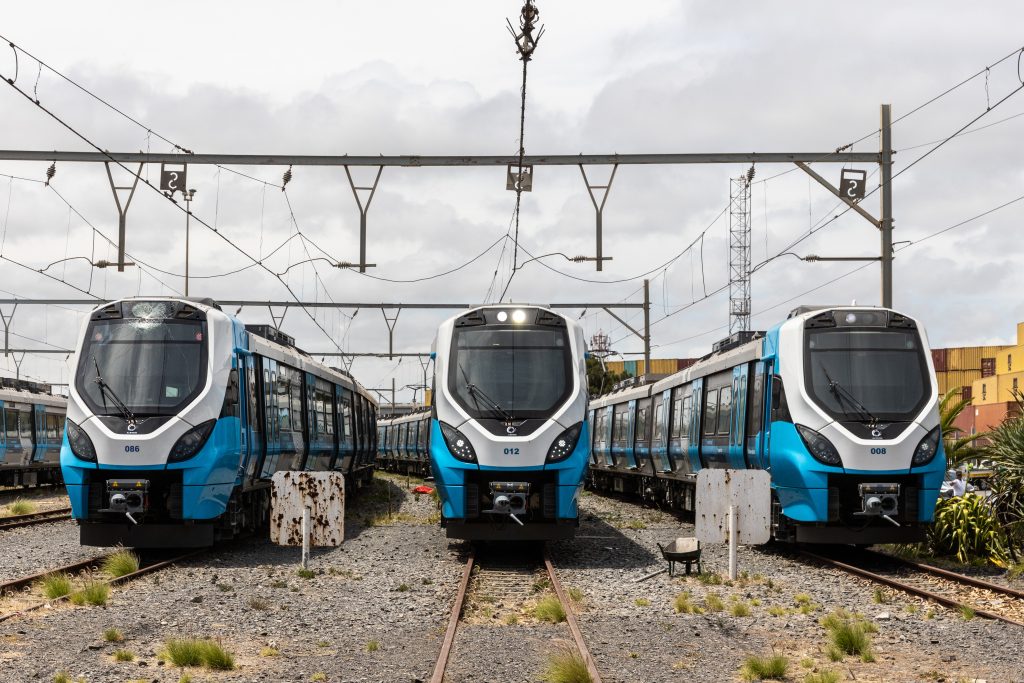
PRASA also reported on-time performance of approximately 94.2%, with a train cancellation rate of 4.13%.
The Railway Safety Regulator has approved an increase in operating speeds between Berlin and East London from 30 kilometres per hour to 60 kilometres per hour.
The changes are intended to improve journey times and the reliability of the service.
However, the performance figures do not mean that every station or route in the province has been fully restored.
Eighteen stations still require upgrades
Despite the latest reopening, 18 railway stations in the Eastern Cape still require refurbishment.
The outstanding work illustrates the continuing scale of infrastructure recovery needed across the province.
Creecy urged residents and communities to help protect the rehabilitated facilities from theft and vandalism.
PRASA has repeatedly identified damage to electrical equipment, stations and other infrastructure as an obstacle to restoring services.
The agency’s longer-term programme aims to rebuild commuter rail capacity while improving maintenance and security.
Restoration places focus on service reliability
The reopening comes eight days before the 4 November local government elections, although passenger rail is primarily a national government responsibility rather than a municipal service.
Reliable transport nevertheless affects residents’ access to employment, education and essential services across Buffalo City and surrounding areas.
The latest investment provides a measurable infrastructure milestone, but its longer-term value will depend on passenger safety, maintenance and consistent train operations.
The next test for PRASA will be whether the rehabilitated stations remain operational and whether the remaining facilities can be restored without renewed disruption.