PRETORIA, Monday 26 October 2026 — The number of reported gastrointestinal illness cases linked to contaminated water in Bronkhorstspruit has risen to 833, Water and Sanitation Minister Pemmy Majodina confirmed on Monday, as Deputy President Paul Mashatile announced plans to examine private water-tanker supplies serving affected communities.
The revised figure represents a substantial increase from the 408 cases reported by government on 19 October.
Majodina confirmed the latest figures during a media briefing following Mashatile’s inspection of the Bronkhorstspruit Water Treatment Works, which has been at the centre of the contamination crisis.
Illness cases rise to 833
According to Majodina, a further 27 cases were reported during the preceding 24 hours.
Three residents remained hospitalised, while authorities confirmed that no deaths had been recorded.
The minister said some residents had stored contaminated water for extended periods, potentially contributing to continued illness.
Concerns have also emerged about water supplied by private tanker operators whose sources and treatment processes have not been established.
The latest figures come after authorities confirmed that the City of Tshwane had supplied inadequately treated water to communities in the Bronkhorstspruit area.
Mashatile raises concerns about private water suppliers
Mashatile said government was concerned about private water-tanker operators supplying residents while the municipal treatment works remained out of service.
He said authorities did not know where some private suppliers obtained their water and indicated that checks would be undertaken.
The Deputy President also assured residents that alternative water supplies would continue while repairs were being carried out.
The City of Tshwane is responsible for providing emergency water to affected communities.
However, the government has acknowledged concerns about the reliability and safety of water supplied through some private operators.
Mashatile’s comments introduce an additional area of scrutiny as authorities attempt to prevent further illness.
Rand Water continues restoration work
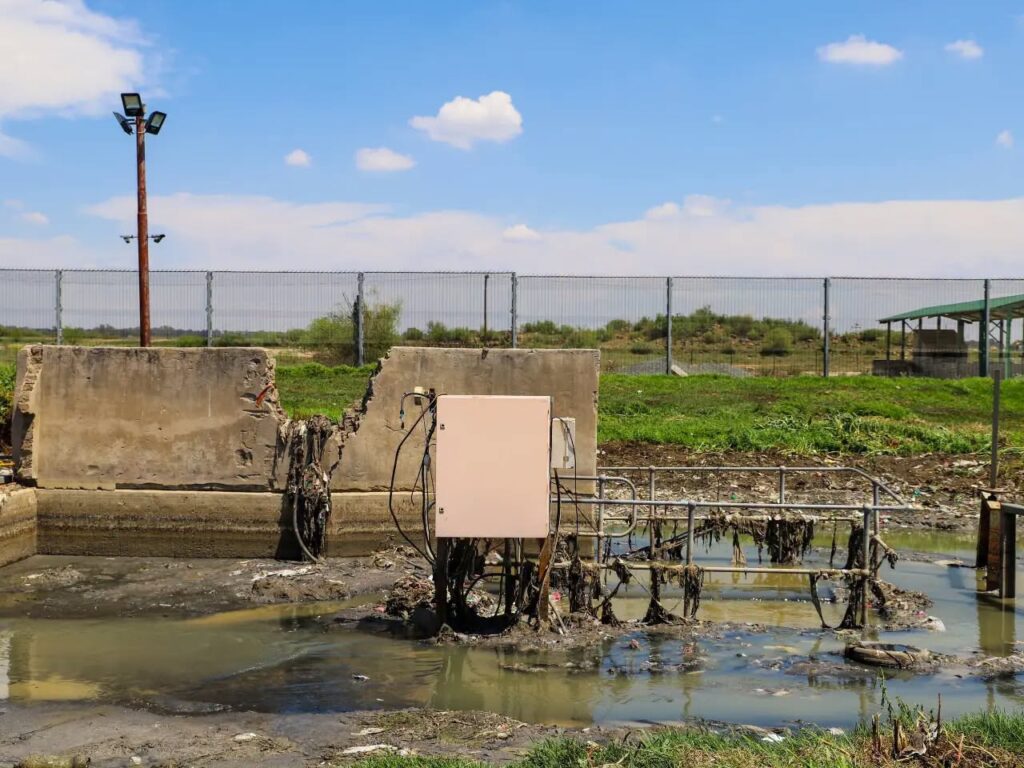
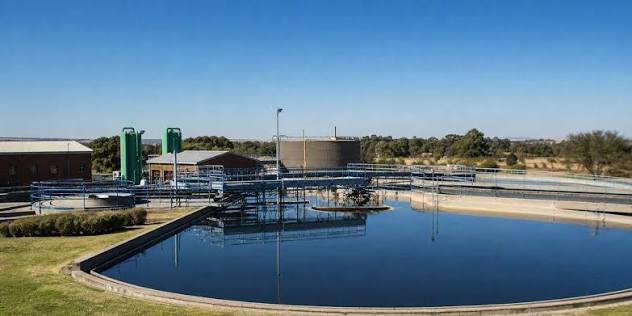
The Bronkhorstspruit Water Treatment Works has been taken out of operation while cleaning, repairs and refurbishment are undertaken.
Rand Water is assisting the municipality with restoration work.
Mashatile said the work could take several weeks and declined to commit to a fixed completion date.
Tshwane Mayor Nasiphi Moya previously indicated that Rand Water had identified 30 October as a target for completing certain work.
However, Moya said the municipality would not insist on restoring supply before the water could be confirmed safe for consumption.
The restoration process includes work on treatment infrastructure, reservoirs and the distribution network.
Residents remain dependent on alternative supplies while authorities assess whether water from the affected system meets drinking-water standards.
Contamination linked to failure to chlorinate water
The crisis followed the failure to chlorinate water at the Bronkhorstspruit Water Treatment Works between 24 September and 14 October.
Government investigations found that the municipality experienced problems securing chlorine supplies.
Water continued to enter the distribution system during the period when adequate treatment was not taking place.
Laboratory testing subsequently detected high levels of E. coli and other contaminants.
Tests conducted on affected patients also identified pathogens associated with gastrointestinal illness.
The municipality has faced criticism over its failure to adequately warn residents about the risks.
The treatment plant’s manager has been suspended, while investigations into the circumstances surrounding the failure continue.
Government intervention continues
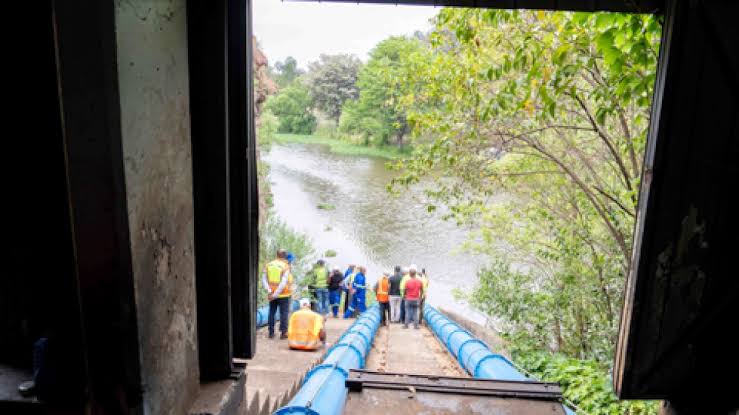
Mashatile visited the treatment works and affected residents on Monday as part of the Inter-Ministerial Committee on Water and Sanitation’s response.
The committee is coordinating interventions involving national, provincial and municipal authorities.
The Department of Water and Sanitation has also commissioned independent testing and investigations into the contamination.
The latest developments place additional attention on the safety of emergency water supplies and the pace of repairs.
With the 4 November local government elections approaching, the crisis has also intensified scrutiny of municipal service delivery and accountability in Tshwane.
Further updates are expected as authorities assess the restoration work, investigate private water suppliers and monitor the number of residents requiring medical treatment.