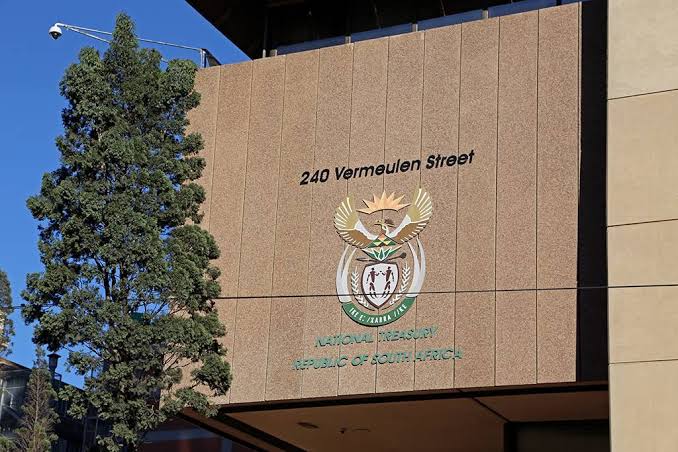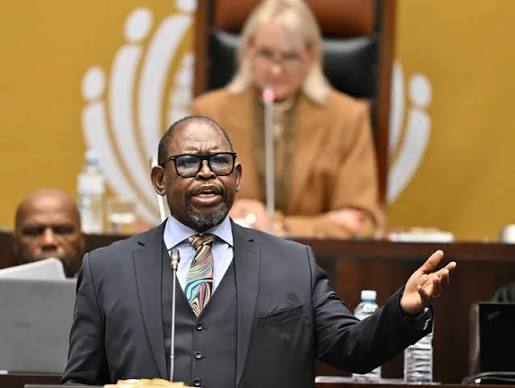
JOHANNESBURG, Monday 26 October 2026 — Finance Minister Enoch Godongwana says South Africa should work towards removing fuel levies over the longer term, but has warned that eliminating the general fuel levy would leave government facing a revenue shortfall of approximately R80 billion.
Speaking during an interview with 702 following last week’s Medium-Term Budget Policy Statement, Godongwana said government needed to reconsider how fuel taxes and the Road Accident Fund were financed.
The comments indicate a longer-term policy objective, although no formal proposal, implementation timetable or replacement revenue mechanism has been announced.
Minister raises possibility of removing levies
Godongwana said the government should examine ways to phase out the general fuel levy.
The levy contributes revenue to the national fiscus and forms part of the regulated price motorists pay for fuel.
According to the minister, the general fuel levy generates approximately R80 billion.
Removing it would therefore require government to identify alternative revenue or reduce expenditure.
Godongwana acknowledged that replacing the revenue would be a substantial challenge.
He did not indicate when a proposal might be presented to Parliament.
Road Accident Fund financing also under review
The minister also questioned the current method of financing the Road Accident Fund.
The fund compensates qualifying victims of road accidents and is financed in part through a levy included in fuel prices.
Godongwana suggested that government should reconsider this funding model.
He argued that removing the Road Accident Fund levy from fuel prices could provide significant relief to motorists.
However, any alternative funding arrangement would need to account for the fund’s continuing financial obligations.
No replacement financing model was announced during the interview.
Comments follow temporary fuel relief
The minister’s remarks follow the government’s announcement of temporary fuel-levy reductions in the Medium-Term Budget Policy Statement on 21 October.
Under those measures, the levy will be reduced by R3 per litre for diesel and R1.50 per litre for petrol from 4 November until 1 December.
A smaller reduction is scheduled to continue until 5 January 2027.
The temporary intervention is expected to provide approximately R10 billion in relief.
National Treasury said the funding would come from money returned by the Central Energy Fund to the National Revenue Fund.
The temporary reductions are separate from the longer-term possibility of eliminating fuel levies.
Fiscal constraints remain central
Godongwana said the government must balance the need to reduce living costs with the requirement to maintain sustainable public finances.
The minister also defended fiscal consolidation, arguing that South Africa’s borrowing requirements and debt-service costs limit government’s ability to increase expenditure.
He acknowledged that corruption, financial mismanagement and departments’ inability to spend allocated funds remain significant challenges.
Godongwana said approximately R8 billion in infrastructure expenditure was being rescheduled because departments lacked the capacity to spend the funds.
He also referred to proposed changes to municipal financial legislation intended to strengthen accountability.
No implementation timetable announced
The minister’s comments establish a policy direction for further consideration rather than a decision to abolish fuel levies.
Any permanent removal would require decisions on replacement revenue, the financing of road-accident compensation and the broader fiscal consequences.
The government has not published a detailed proposal setting out how those challenges would be addressed.
For motorists, the immediate confirmed measures remain the temporary fuel-levy reductions announced in the Medium-Term Budget Policy Statement.
Further clarity will depend on whether National Treasury develops a formal proposal for longer-term reform.