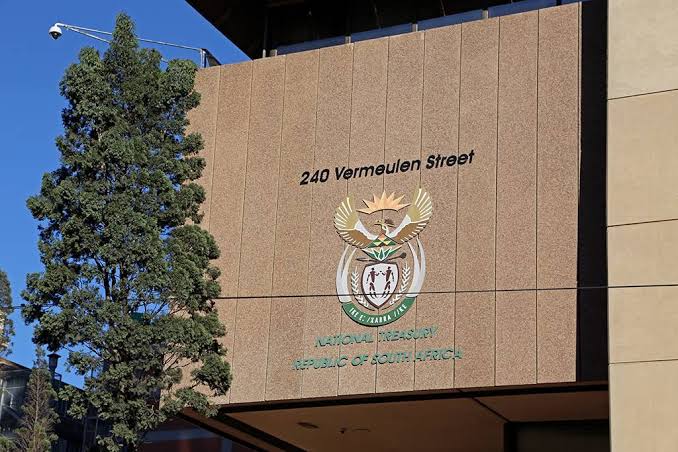
CAPE TOWN, Sunday 25 October 2026 — National Treasury wants municipal salary increases to require the finance minister’s approval and is proposing stronger oversight of chief financial officer appointments as part of draft legislation intended to address financial mismanagement in South Africa’s municipalities.
The proposals form part of amendments to the Municipal Finance Management Act (MFMA) and Public Finance Management Act (PFMA), published for public comment on 21 October.
Further details emerged in reporting on Sunday, including Treasury’s intention to introduce compliance orders and establish a permanent mechanism for investigating financial misconduct.
The changes could significantly affect municipal councils elected on 4 November if the legislation is subsequently approved.
Ministerial approval proposed for salary increases
Treasury’s chief director responsible for MFMA implementation, Wayne McComans, said the proposed legislation would require an assessment of whether municipalities could afford negotiated salary increases.
He explained that municipal wage agreements were currently implemented without sufficient consideration of their financial implications.
Under the proposed changes, municipalities would need the finance minister’s concurrence before implementing salary increases.
McComans said the intention was not to replace existing collective bargaining arrangements.
Instead, Treasury wants to establish an additional financial control to prevent municipalities from approving increases they cannot afford.
The proposal has not become law.
Treasury seeks stronger control over financial appointments
The draft legislation also proposes greater National Treasury involvement in the appointment of municipal chief financial officers.
The proposed changes are intended to prevent unsuitable or unqualified officials from being appointed to positions responsible for managing municipal finances.
Treasury has identified weak financial management and inadequate accountability among the problems affecting municipalities.
The proposals would strengthen national oversight of appointments to critical financial positions.
However, the legislation remains open for public comment, and its final provisions may change before Parliament considers it.
Municipalities therefore remain subject to the existing legal framework until any amendments take effect.
Compliance orders aimed at financial misconduct
Another proposed measure would introduce stronger compliance orders against municipal officials and political office-bearers.
The mechanism is intended to address persistent financial misconduct, unfunded budgets and failures to comply with financial management requirements.
Treasury also wants stronger procedures for recovering losses arising from unauthorised, irregular, fruitless or wasteful expenditure.
The proposals include establishing a permanent financial misconduct investigative mechanism.
This would allow Treasury to intervene earlier when evidence of financial mismanagement emerges.
Treasury accountant-general Shabeer Khan said the department intended to adopt a more proactive approach to accountability.
The proposed reforms also draw on recommendations arising from the Zondo Commission into state capture.
Municipalities face growing financial pressure
The proposed legislation follows repeated interventions against municipalities that have failed to meet financial obligations.
In July, Treasury temporarily withheld equitable-share transfers to 69 municipalities over financial non-compliance.
Affected municipalities included Johannesburg, Mangaung, Buffalo City and Nelson Mandela Bay.
Treasury director-general Duncan Pieterse said 38 of the affected municipalities subsequently entered payment arrangements with creditors and settled more than R4 billion in outstanding obligations.
However, Treasury also identified debts owed to municipalities by other spheres of government as a continuing problem.
Pieterse said national and provincial government institutions owed municipalities approximately R27.6 billion.
Treasury is working with the relevant departments to address those obligations.
Government wants earlier interventions
The draft MFMA amendments would also strengthen procedures for intervening in financially distressed municipalities.
Treasury wants municipalities to demonstrate that their budgets are properly funded and supported by credible revenue projections.
The changes would provide stronger mechanisms for intervention when municipalities cannot restore financial stability independently.
The proposed framework also seeks to improve financial reporting, accountability and revenue management.
Treasury has indicated that it wants to move away from relying primarily on interventions after financial failures have already occurred.
Instead, the department intends to identify and address problems earlier.
Reforms could affect incoming municipal councils
The proposals come less than two weeks before South Africa’s local government elections.
New municipal councils will inherit existing financial obligations, infrastructure challenges and service-delivery responsibilities.
If approved, the amendments would place additional requirements on councils when approving budgets, salary increases and senior financial appointments.
They could also change the relationship between municipalities and National Treasury.
The reforms are intended to strengthen financial accountability, but their practical effect will depend on the final legislation and its implementation.
The proposals do not give Treasury immediate new powers over municipalities.
Public comment period remains open
The draft legislation was published through Government Gazette No. 55612 on 21 October.
National Treasury has invited written public submissions on both amendment bills.
The closing date for comments is 29 January 2027.
The proposals must still complete the relevant legislative processes before becoming law.
Municipalities, public-sector organisations, professional bodies and other interested parties can submit comments during the consultation period.
The next significant developments will be Treasury’s consideration of submissions, any revisions to the draft bills and their eventual introduction into the parliamentary legislative process.