DURBAN, Monday 26 October 2026 — President Cyril Ramaphosa has authorised the deployment of 510 South African National Defence Force (SANDF) members to KwaZulu-Natal until 30 November, at an estimated cost of R34 million, according to details of a presidential notification to Parliament reported on Monday.
The deployment forms part of Operation Prosper and is intended to support the South African Police Service (SAPS) following violent anti-immigration protests in Durban earlier this month.
The notification, dated 21 October, provides further details about the scale, cost and duration of the military intervention.
Parliament informed of deployment
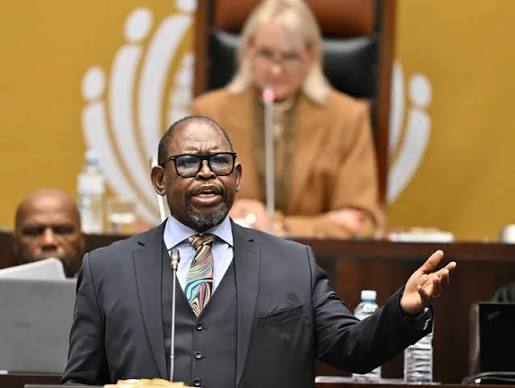
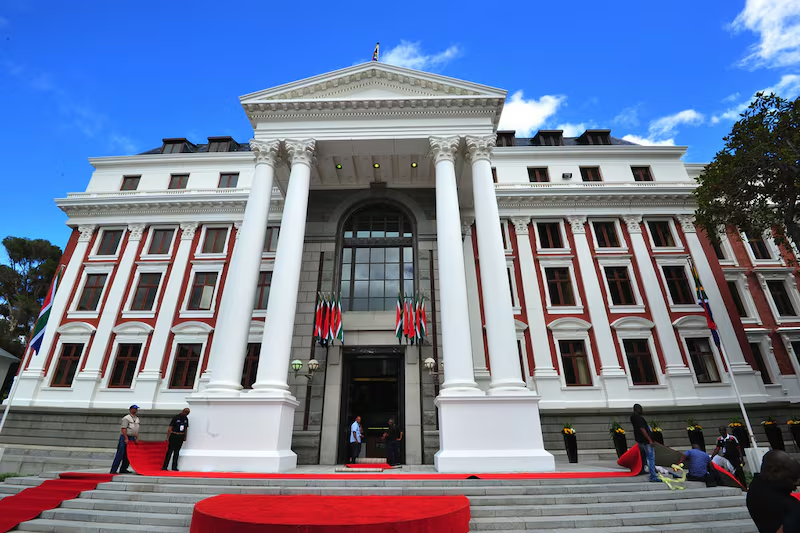
Ramaphosa informed Parliament in writing of his decision to deploy 510 soldiers to KwaZulu-Natal.
According to Eyewitness News, the operation will continue until 30 November, with an estimated expenditure of R34 million.
The deployment is intended to support police in maintaining public order and preventing further violence.
The President reportedly said misinformation surrounding a court judgment had contributed to the unrest and that soldiers would remain available to respond to further incidents.
The authorisation follows the constitutional requirement for the President to inform Parliament when employing the defence force in cooperation with the police.
Deployment follows Durban unrest
The military intervention follows violent protests in Durban on 8 and 9 October.
Demonstrations opposing the government’s asylum procedures escalated into attacks on businesses, looting and damage to property.
Vehicles and buildings were set alight as police attempted to contain the unrest.
KwaZulu-Natal Premier Thamsanqa Ntuli subsequently requested military assistance, saying additional resources were needed to protect residents, businesses and infrastructure.
Soldiers began supporting police operations in Durban on 10 October.
The deployment attracted criticism from some political figures and organisations concerned about the use of military personnel during civilian demonstrations.
Ntuli defended the intervention, maintaining that government had a responsibility to prevent further violence.
Military presence extended into November
The latest parliamentary notification establishes a deployment period ending on 30 November.
Earlier reporting indicated that soldiers would remain in Durban until 31 October.
The newly reported end date therefore provides for a longer military presence than previously indicated.
The R34-million estimated expenditure also provides further information about the resources allocated to the operation.
The deployment forms part of Operation Prosper, under which SANDF personnel assist police with specified security operations.
The military’s role remains one of supporting law enforcement rather than replacing the police.
Separate request for intervention in northern Durban
The announcement comes as the Presidential eThekwini Working Group has called for a similar military intervention in four northern Durban communities.
During a meeting with Deputy President Paul Mashatile on 23 October, the working group raised concerns about crime in Phoenix, Inanda, Ntuzuma and KwaMashu.
The areas are collectively referred to as PINK.
The working group welcomed the military response to the recent unrest and proposed extending similar assistance to communities affected by persistent safety concerns.
However, the existing KwaZulu-Natal deployment and the proposed intervention in the PINK communities are separate matters.
The Presidency has not announced that the working group’s additional request has been approved.
Security concerns ahead of municipal elections
The military deployment comes as KwaZulu-Natal prepares for the 4 November local government elections.
Public safety, crime and municipal governance have featured prominently in campaigning across the province, particularly in eThekwini.
The deployment also follows disagreements among political figures about the government’s response to anti-immigration demonstrations.
The latest parliamentary notification establishes the authorised troop numbers, estimated cost and duration of the operation.
Further developments will depend on security conditions in KwaZulu-Natal and whether the government considers additional interventions necessary.
For now, the authorised deployment is scheduled to continue until 30 November.