MAKHANDA, Friday 23 October 2026 — Government has launched a coordinated investigation into 134 reported gastrointestinal illness cases affecting Rhodes University in Makhanda and St Albans Correctional Centre in Nelson Mandela Bay, with preliminary findings suggesting possible contamination within the facilities’ internal water distribution systems.
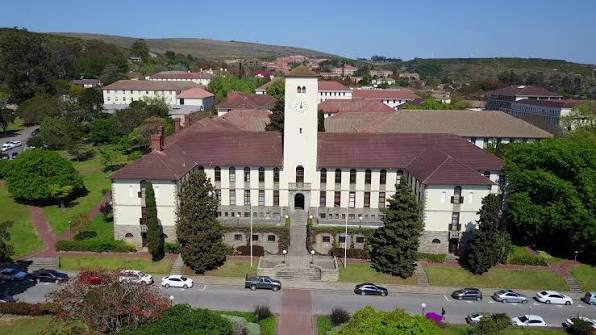
The Department of Water and Sanitation confirmed on Thursday that 111 cases had been reported at Rhodes University and another 23 at St Albans.
The investigation involves national and provincial departments, municipal authorities, health specialists and water-service institutions.
Government establishes technical investigation team
The Department of Water and Sanitation said it received reports of gastrointestinal illnesses at Rhodes University earlier this week.
The reports prompted an investigation involving the Eastern Cape Department of Health and regional water authorities.
A multi-stakeholder technical team was subsequently established to investigate the source of the illnesses and coordinate measures to contain their spread.
The team includes representatives from the departments of Water and Sanitation, Health and Cooperative Governance and Traditional Affairs.
It also includes the National Institute for Communicable Diseases, Amatola Water, Rhodes University, Makana Local Municipality, Sarah Baartman District Municipality and Nelson Mandela Bay Metropolitan Municipality.
Preliminary findings point to internal water systems
According to the department, initial investigations suggest that contamination may be present within the internal water distribution systems serving the university and correctional centre.
The preliminary findings do not indicate contamination within the broader municipal distribution networks.
However, officials have emphasised that laboratory investigations remain incomplete.
The government has not established a common source linking the two outbreaks.
The final results of water samples collected from the affected facilities and surrounding municipal infrastructure remain outstanding.
Water samples collected at multiple locations
At Rhodes University, investigators collected samples from the institution’s internal water storage and distribution system.
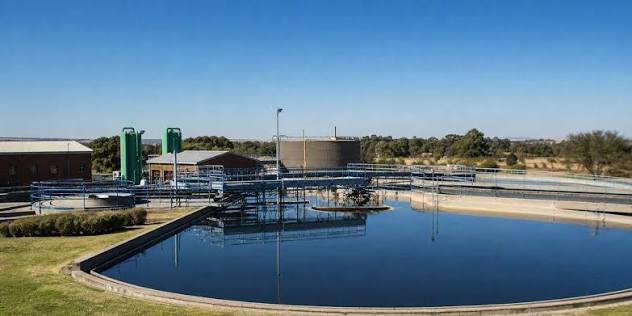
Additional samples were collected from Makana’s municipal water distribution network and water treatment works.
At St Albans Correctional Centre, investigators collected samples from an elevated storage tower receiving potable water from the Nelson Mandela Bay municipal supply system.
The testing is intended to determine whether contamination originated within the facilities or entered through the municipal networks.
Authorities have not announced a final determination of the cause of either outbreak.
Minister and Premier lead intergovernmental response
Water and Sanitation Minister Pemmy Majodina and Eastern Cape Premier Oscar Mabuyane led an intergovernmental meeting on Wednesday evening.
The meeting included Makana Executive Mayor Yandiswa Vara and Nelson Mandela Bay Executive Mayor Babalwa Lobishe.
Officials received reports on the number and location of illness cases, water-quality testing and the measures being implemented to protect affected communities.
The meeting also considered the work of the National Institute for Communicable Diseases and other institutions involved in the investigation.
The government said the response would remain coordinated across the affected municipalities.
Rhodes University introduces precautionary measures
Rhodes University has introduced additional water and food-safety precautions while the investigation continues.
The institution has provided safe drinking water and arranged medical assistance for affected students.
Students experiencing severe symptoms have been referred for medical treatment.
The university has advised staff and students to use boiled and cooled or bottled water for drinking and food preparation.
It has also encouraged affected individuals to report symptoms and seek medical attention.
The university previously indicated that similar gastrointestinal illnesses had been reported elsewhere in Makhanda.
However, the extent of any wider community outbreak has not yet been established.
Separate from Tshwane contamination incidents
The Eastern Cape investigation comes amid heightened national concern about drinking-water safety following contamination incidents in Tshwane.
In Bronkhorstspruit, more than 400 gastrointestinal illness cases were reported after failures involving the chlorination of municipal drinking water.
Tshwane has also issued a separate boil-water advisory affecting central Pretoria following contamination associated with Findlay Reservoir.
The Eastern Cape outbreaks have not been linked to either Tshwane incident.
Government investigators are examining the Eastern Cape cases independently.
Laboratory findings remain outstanding
Authorities have urged people experiencing symptoms such as diarrhoea, vomiting and severe abdominal cramps to seek medical assistance.
The Department of Water and Sanitation said laboratory results would be communicated once available.
The investigation will need to establish the source of contamination, determine whether additional communities are affected and identify any infrastructure or operational failures requiring corrective action.
For now, the government has not announced disciplinary proceedings or attributed responsibility for the outbreaks to either municipality.