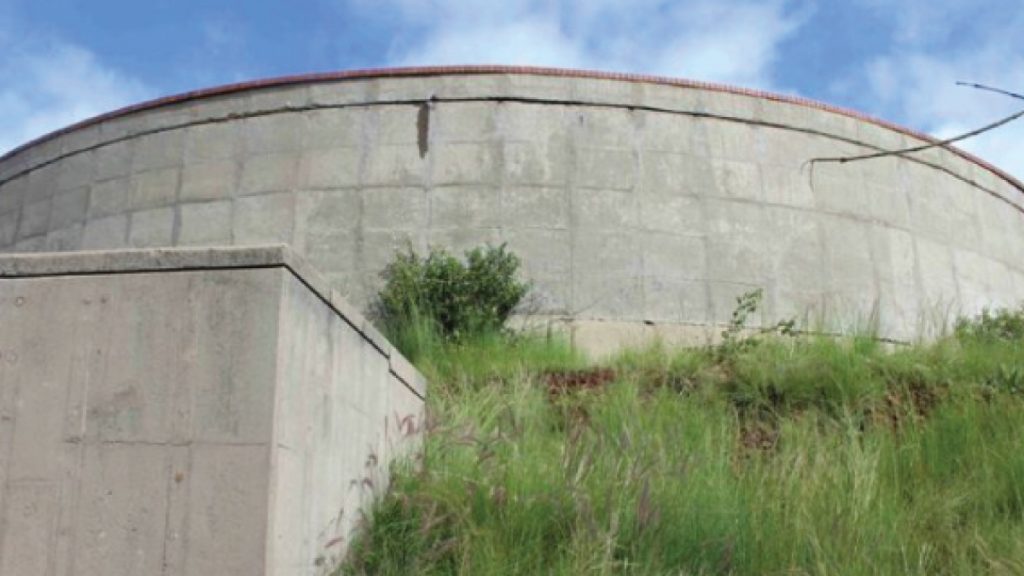
PRETORIA, Friday 23 October 2026 — The City of Tshwane has issued a boil-water advisory affecting more than 20 areas in central Pretoria after tests confirmed microbiological contamination in water supplied from Findlay Reservoir, forcing the municipality to activate an alternative water supply.
The contamination was detected on Wednesday, 21 October, after a burst sewer pipe allowed contaminated water to enter the supply system.
The municipality confirmed the incident on Thursday, saying it had isolated the affected source, emptied Findlay Reservoir and begun flushing the distribution network.
The development comes as Tshwane faces mounting scrutiny over a separate water contamination crisis in Bronkhorstspruit, where hundreds of residents have reported gastrointestinal illnesses.
Sewage contamination detected at Findlay Reservoir
According to the City of Tshwane, Findlay Reservoir normally receives water from underground sources and bulk water supplier Rand Water.
The underground supply generally requires minimal chlorination because of its water quality.
However, the municipality said an unexpected sewer pipe burst introduced contamination into the system.
The resulting increase in microbial levels exceeded the capacity of the existing chlorination measures.
Water-quality testing conducted on 21 October subsequently identified microbiological non-compliance.
The municipality has not publicly disclosed the specific organisms detected or the complete laboratory results.
More than 20 areas affected
The boil-water advisory covers Pretoria Central and several surrounding residential and commercial areas.
Affected locations include Arcadia, Sunnyside, Trevenna, Marabastad, Asiatic Bazaar, Phillip Nel Park, Daspoort and Elandspoort.
The municipality’s advisory also identifies several Pretoria extensions, Belle Ombre, Cape Boys’ Location, Prinshof and Skougronde.
The affected network serves parts of the capital’s central business district, where residential buildings, businesses and government institutions depend on municipal water services.
Residents and businesses have been instructed not to consume untreated tap water while the advisory remains in effect.
The municipality has not announced when normal water-quality compliance is expected to be restored.
Alternative water supply activated
Tshwane said it immediately isolated the affected source after detecting the contamination.
The municipality emptied Findlay Reservoir and switched the affected areas to an alternative supply from Salvokop Reservoir.
Municipal teams have also begun flushing the distribution network to remove contaminated water.
According to city spokesperson Lindela Mashigo, corrective work and water-quality monitoring are continuing.
The municipality has arranged for water tankers to provide safe drinking water to affected communities.
Information about tanker locations and availability is expected to be communicated to residents.
However, the city has emphasised that switching to an alternative supply does not automatically mean that water throughout the affected distribution network is safe to consume.
The boil-water advisory will remain in place until further testing confirms compliance.
Residents instructed to boil drinking water
The municipality has advised residents to bring tap water to a rolling boil for at least one minute before using it for drinking, cooking, food preparation or brushing their teeth.
Water should be allowed to cool before use.
Residents have also been instructed to discard previously stored tap water and ice made from potentially contaminated water.
The city has urged residents to share the advisory with neighbours, tenants and other people who may be affected.
The precautionary measures will remain necessary until the municipality formally withdraws the warning.
Separate from Bronkhorstspruit water crisis
The Findlay Reservoir incident comes amid heightened concern about water quality in Tshwane following a separate contamination crisis in Bronkhorstspruit.
More than 400 cases of gastrointestinal illness have been reported in the Bronkhorstspruit area.
The municipality previously acknowledged failures involving the chlorination of water supplied by the Bronkhorstspruit Water Treatment Plant.
The Public Protector has launched an investigation into allegations of maladministration and improper conduct relating to that incident.
Complaints were submitted by political representatives, including Economic Freedom Fighters mayoral candidate Omphile Maotwe and Freedom Front Plus regional leader Willie Spies.
The investigation is examining allegations concerning municipal oversight, the handling of information and the response to potential health risks.
However, Tshwane has explicitly stated that the Findlay Reservoir contamination is unrelated to the Bronkhorstspruit incident.
No evidence has been presented establishing a common cause between the two incidents.
Water safety becomes major municipal concern
The two incidents have placed renewed attention on Tshwane’s water infrastructure and its ability to maintain safe drinking-water supplies.
The municipality is governed by a multiparty administration led by ActionSA Executive Mayor Nasiphi Moya.
Water quality and infrastructure maintenance have become important governance issues ahead of the 4 November local government elections.
Political parties have exchanged criticism over the Bronkhorstspruit crisis, although responsibility for the separate Findlay Reservoir incident has not been established beyond the municipality’s explanation of the sewer pipe failure.
The latest contamination raises questions about the resilience of water infrastructure serving central Pretoria.
The city has not announced any disciplinary action or formal investigation into individual officials concerning the Findlay incident.
Further testing to determine when warning can be lifted
The municipality says it will continue flushing the affected network, monitoring water quality and carrying out corrective work.
Further updates are expected as testing progresses.
Residents have been urged to continue following the boil-water advisory regardless of the alternative supply arrangements.
The warning will only be lifted once the municipality confirms that water supplied to affected communities is safe for consumption.