PRETORIA, Friday 30 October 2026 — The South African Police Service (SAPS) has identified 331 voting stations as high-risk ahead of the 4 November local government elections, with KwaZulu-Natal and Gauteng accounting for most of the locations flagged in its security assessment.
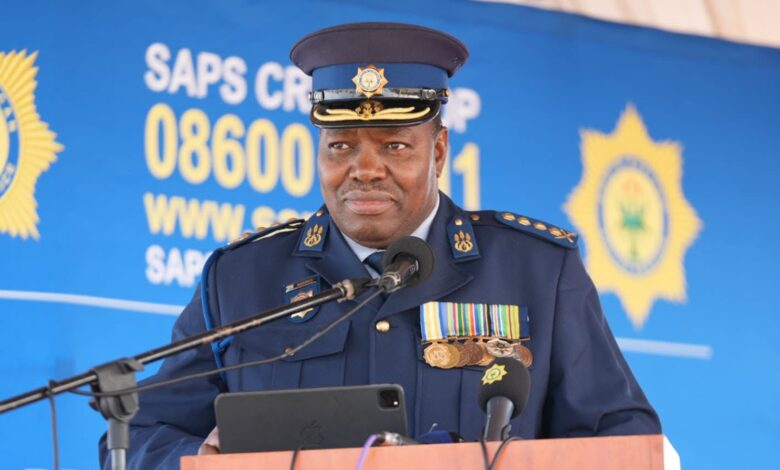
National Police Commissioner Fannie Masemola said police had conducted simulations, assessed provincial readiness and mobilised resources to safeguard voting.
KwaZulu-Natal and Gauteng account for most flagged stations
KwaZulu-Natal has 165 high-risk stations, including 124 in eThekwini.
Gauteng accounts for 119, including 75 in Johannesburg, 23 in Ekurhuleni and 14 in Tshwane.
The Western Cape has 33 high-risk stations, all in Cape Town, while Mpumalanga has 11.
The figures identify potential security risks, not confirmed incidents of electoral violence at those stations.
Police prepare for possible disruptions
SAPS said the assessments considered service-delivery protests, community unrest and other incidents that could affect election operations.
The risk classifications are intended to guide deployment and contingency planning before special voting on 2 and 3 November and ordinary voting on 4 November.
Masemola said police were operationally ready to secure the elections.
The preparations come amid heightened concerns about protest violence in KwaZulu-Natal and continuing security challenges in parts of the Western Cape.
Voting preparations continue
The Electoral Commission of South Africa (IEC) has secured more than 23,000 voting stations nationwide.
Police are responsible for maintaining public order and supporting a secure environment in which electoral officials can carry out their duties.
The latest SAPS assessment places particular attention on the large metropolitan municipalities where potential disruptions could affect substantial numbers of voters.
The final deployment arrangements and any changes to the risk assessment will be determined by police and the relevant election-security structures.