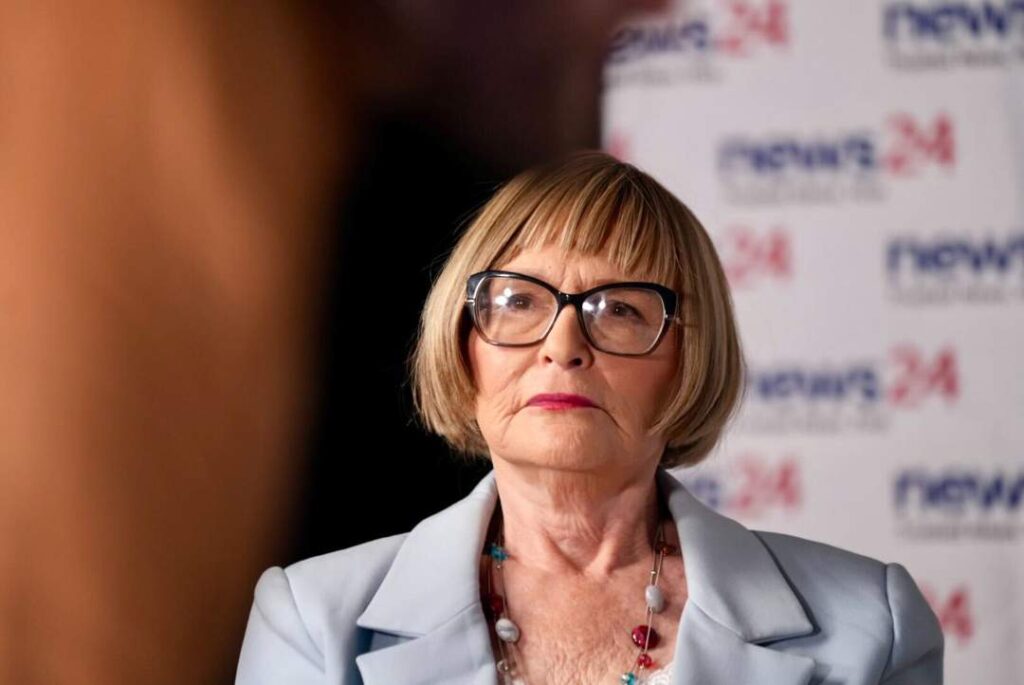
JOHANNESBURG, Friday 20 November 2026 — Democratic Alliance (DA) Johannesburg mayoral candidate Helen Zille has reportedly acknowledged to party colleagues that her prospects of becoming mayor have diminished significantly, as rival parties negotiate a coalition that could exclude the DA from governing South Africa’s largest city.
The Financial Times reported on Friday that Zille had told allies her bid appeared to be over, despite the DA emerging as the largest party in Johannesburg following the 4 November local government elections.
The DA secured approximately 35% of the vote but fell short of the majority required to govern the city’s 270-seat council independently.
The African National Congress (ANC) and ActionSA have been negotiating a possible governing arrangement that could also involve the Economic Freedom Fighters (EFF) and uMkhonto weSizwe (MK) Party.
Under proposals reported during the negotiations, ActionSA leader Herman Mashaba could become Johannesburg mayor, while his party would retain the Tshwane mayoralty and the ANC would govern Ekurhuleni.
No final agreement has been confirmed, and the proposed distribution of mayoral positions remains subject to negotiations and council votes. Mashaba has repeatedly opposed Zille becoming Johannesburg mayor.
Earlier in November, ActionSA proposed that both Mashaba and Zille withdraw their mayoral bids to allow the DA to nominate an alternative candidate acceptable to ActionSA.
ActionSA national chairperson Michael Beaumont confirmed the authenticity of that proposal, saying the party remained open to cooperation with the DA but opposed Zille’s candidacy.
The Financial Times reported that Zille intended to remain involved in the Johannesburg council as a part-time councillor, even if she did not secure the mayoralty.
However, DA leader Geordin Hill-Lewis has maintained that coalition discussions are continuing and has not ruled out the party securing governing arrangements in Gauteng.
The uncertainty comes after the DA campaigned on restoring municipal services, including reliable water and electricity supplies, road maintenance and refuse collection.
Zille’s candidacy was central to that campaign, with the former Cape Town mayor and Western Cape premier positioning her experience as an alternative to Johannesburg’s successive coalition administrations.
The outcome will depend on whether the parties negotiating an alternative governing arrangement can secure sufficient council support to elect a mayor and other office-bearers.
Until those votes take place, Zille’s reported assessment does not constitute a formal withdrawal of her candidacy or confirmation that another candidate has secured the position.