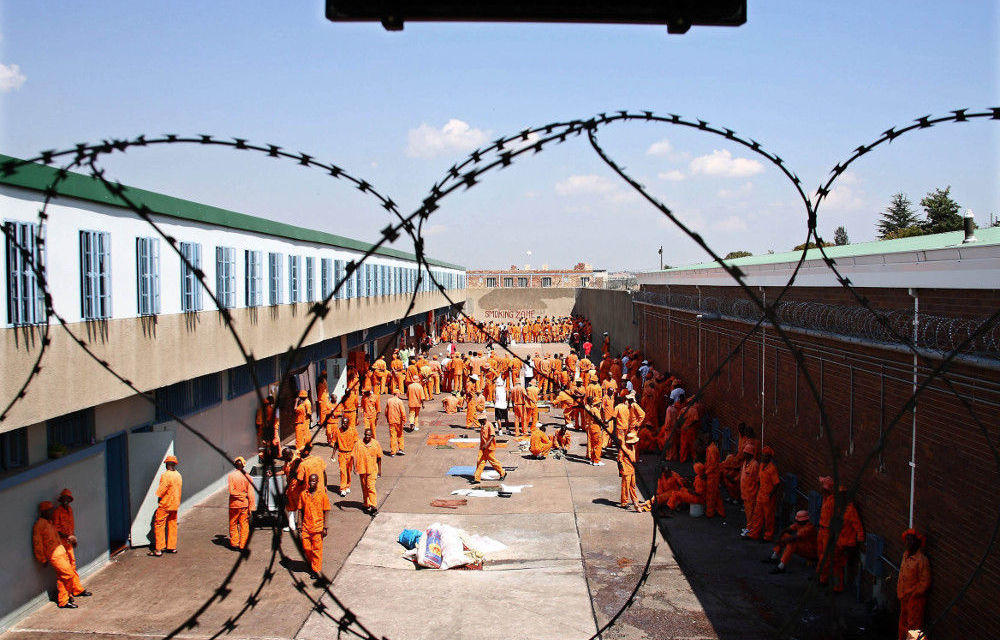
CAPE TOWN, Tuesday 25 August 2026 — The Department of Correctional Services is projecting R749 million in over-expenditure for the 2026/27 financial year, with Parliament warning that overcrowding, rising food costs and staffing shortages are placing growing pressure on the prison system.
The Portfolio Committee on Correctional Services raised the concern after receiving the department’s first-quarter performance report on Tuesday.
Committee chairperson Kgomotso Anthea Ramolobeng said food costs remained the main driver of the projected overspend, largely because inmate numbers were continuing to exceed available correctional capacity.
She called on the department to provide a financial recovery plan setting out how it intends to contain the additional expenditure.
The department achieved 83% of its overall performance targets for the quarter, but the committee said that figure masked deeper operational problems.
Those included overcrowding, budget overruns across several programmes, shortages in key posts, delayed parole-board decisions and an increase in unnatural inmate deaths.
The Judicial Inspectorate for Correctional Services recorded 44 unnatural inmate deaths in the first quarter of 2026/27, up from 24 during the same period a year earlier.
That represents an increase of about 83%.
The committee also raised concern about delays in notifying families of the causes of deaths in custody and called for improved coordination between Correctional Services and the inspectorate.
Overcrowding was identified as particularly severe in the Eastern Cape, Gauteng and Western Cape, where new admissions continued to outpace releases.
The department also missed parole-board decision-making targets in most regions because of vacancies and a lack of quorums.
Quarterly expenditure exceeded planned levels across several programmes, including Incarceration and Rehabilitation, which were each 9% over budget, Care at 18% over budget, and Social Reintegration at 12% over budget.
The committee also criticised delays in modernisation projects, including the planned Correctional Services Amendment Bill and the rollout of smart technologies.
According to Parliament, the amendment bill is intended in part to provide for interstate transfers allowing sentenced foreign nationals to serve their sentences in their countries of origin, a measure the committee believes could help ease overcrowding.
The department will face further parliamentary scrutiny over how it plans to reduce the projected deficit while maintaining constitutional standards for safe detention, rehabilitation and humane treatment.