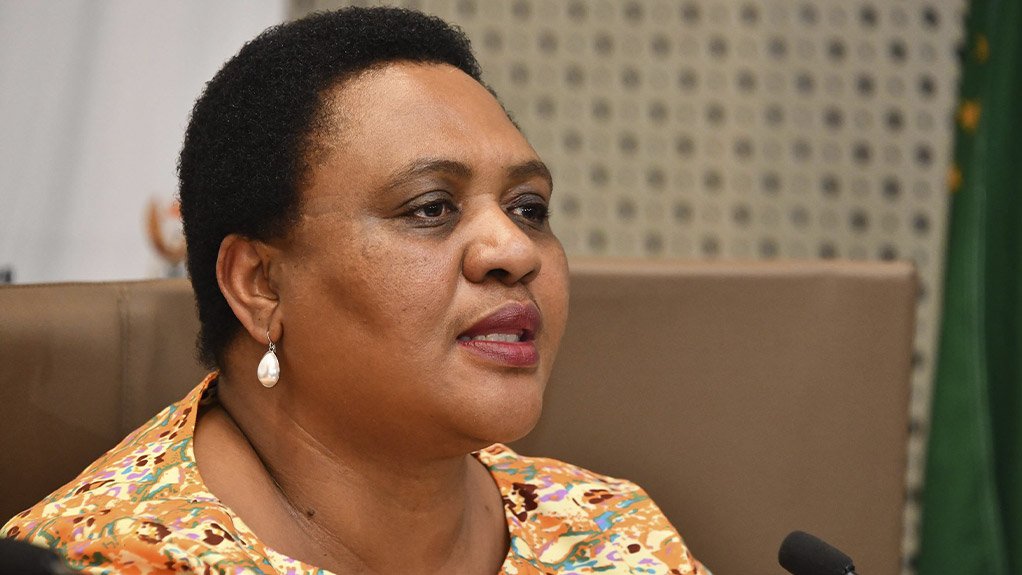
CAPE TOWN, Wednesday 26 August 2026 — National Assembly Speaker Thoko Didiza has survived an EFF motion of no confidence, with MPs voting by a wide margin to keep her in office after a four-hour virtual debate and voting process.
The motion was defeated by 282 votes to 101, Deputy Speaker Annelie Lotriet announced after voting concluded on Wednesday evening.
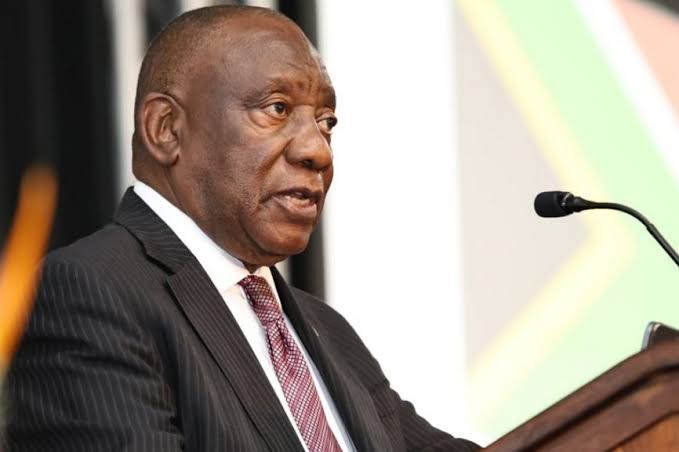
The result is the material outcome of a parliamentary dispute previously centred on Didiza’s handling of President Cyril Ramaphosa‘s court action to halt proceedings of the parliamentary impeachment committee.
EFF leader Julius Malema tabled the motion after Didiza decided not to oppose Ramaphosa’s application in the Western Cape High Court to interdict the impeachment proceedings.
The Economic Freedom Fighters argued that Didiza had failed to defend Parliament’s institutional independence and accused her of allowing her ANC affiliation to influence her conduct as Speaker.
During Wednesday’s debate, Malema argued that Didiza was not fit to preside over the legislature and said her response to the impeachment litigation demonstrated partisanship.
The uMkhonto weSizwe Party backed the EFF’s attempt to remove her.
MK Party whip Philasande Mkhize argued that Didiza’s decision not to actively oppose Ramaphosa’s application was inconsistent with the independence expected of the Speaker.
The EFF and MK Party were joined in supporting the motion by the ACDP, ATM, NCC and UAT, according to the final voting report.
The Democratic Alliance opposed Didiza’s removal despite sharing some of the EFF’s concerns about her handling of the impeachment litigation.
DA parliamentary leader George Michalakis said before the vote that the party disagreed with several decisions taken by Didiza but considered a motion of no confidence a disproportionate response at this stage.
The DA said it had instead sought commitments from the Speaker concerning stronger parliamentary oversight and the recruitment of senior parliamentary executives.
The ANC also opposed the motion, with chief whip Mdumiseni Ntuli defending Didiza’s handling of the matter.
The IFP, Patriotic Alliance, Freedom Front Plus and ActionSA had also indicated before the vote that they would not support the EFF’s motion.
The vote itself was delayed by technical and procedural difficulties arising from the fully virtual sitting.
Lotriet initially required MPs to authenticate themselves while their names were called individually. ANC MPs objected that some members were unable to appear on camera, leading to interruptions and disputes over the voting procedure.
The debate lasted approximately two hours, followed by another two hours to complete the voting process.
Wednesday’s vote was the first motion of no confidence against Didiza since she became Speaker following the 2024 national election.
It was also the first time in more than a decade that the National Assembly had debated a motion of no confidence in its Speaker. The previous such vote involved Baleka Mbete in 2014.
Didiza’s survival settles the immediate question of her position but does not resolve the underlying dispute over Parliament’s impeachment proceedings against Ramaphosa.
Those proceedings remain entangled in litigation arising from the President’s challenge to the Section 89 process.
The size of Wednesday’s majority also demonstrates that opposition criticism of Didiza did not translate into a common parliamentary position on removing her, with the DA and several smaller opposition parties voting against the EFF-led effort.
Attention will now return to the impeachment process itself and the court proceedings that prompted the dispute over Didiza’s handling of Parliament’s response.