JOHANNESBURG, Tuesday 8 September 2026 — A 30-year-old South African is among civilians abducted during an insurgent attack on a hunting camp in northern Mozambique, with South Africa’s diplomatic mission working with Mozambican authorities to establish his whereabouts and secure information on the incident.
The Department of International Relations and Cooperation confirmed that five South Africans working in the area were caught up in last week’s attack in Niassa Province. Two have returned to South Africa and two others remain safe in Mozambique, while the fifth is believed to have been abducted.
“Embassy officials are working with Mozambican authorities and are monitoring the situation and developments in Niassa Province,” DIRCO told the Associated Press.
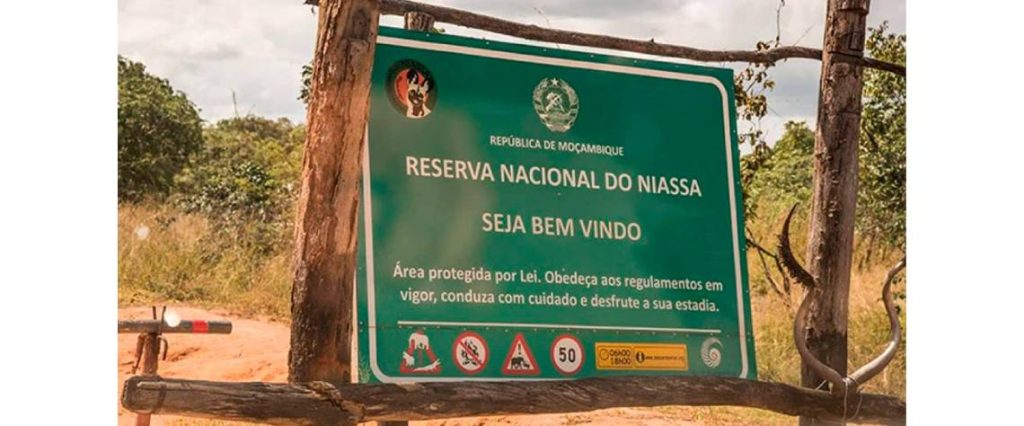
TimesLIVE reported that the missing South African is a mechanic who had been working at a hunting lodge near the Niassa Special Reserve, close to Mozambique’s conflict-affected Cabo Delgado province.
The attack adds a direct South African consular dimension to the long-running Islamist insurgency in northern Mozambique, which has killed thousands of people, displaced more than one million and repeatedly threatened communities and economic activity beyond Cabo Delgado.
Mozambican authorities say insurgents attacked Marangira in Marrupa district on Thursday, burning and looting infrastructure before withdrawing.
Niassa provincial Secretary of State Silva Livone said a woman was killed and a member of Mozambique’s Defence and Security Forces was wounded during the assault.
The attackers also burned a tourist lodge, residences, a health facility and police infrastructure and stole vehicles, according to accounts from provincial authorities.
At least 11 people, including children, were reported abducted from the area, although estimates of the overall number of hostages vary as authorities continue establishing who is missing.
Associated Press reported that some accounts put the number of abducted workers considerably higher.
The differing figures have not yet been reconciled.
Mozambican security forces have been conducting patrols and searches in surrounding areas.
Attack shows insurgents can still move beyond Cabo Delgado
The armed insurgency began in Cabo Delgado in 2017 and has subsequently been linked to the Islamic State.
While much of the conflict has remained concentrated in that province, militants have previously crossed into neighbouring Niassa and Nampula.
Regional conflict analyst Peter Bofin of the Armed Conflict Location & Event Data project told AP that the latest raid appeared more likely to be an isolated operation than evidence that insurgents had established a sustained presence in Niassa.
He nevertheless said the attack demonstrated the group’s continued ability to move through rural areas and strike targets outside its principal operating zone.
Mozambican provincial authorities similarly said the attackers had moved west from Cabo Delgado.
Livone said their movement towards Niassa had been monitored before the assault, and described cross-provincial incursions as part of efforts by insurgents to obtain supplies and logistical support.
The attack forced thousands of residents to flee.
Local reporting citing provincial authorities put the number displaced at approximately 2,700, with communities seeking refuge elsewhere in the district.
Americans evacuated from hunting area
Three United States citizens who were in the area were evacuated following the attack.
Reuters reported last week that the Americans had been away from the camp hunting when insurgents attacked and burned the facility.
The US Embassy subsequently warned citizens against travelling to the Niassa Special Reserve and areas close to the Niassa-Cabo Delgado boundary because of the security risk.
The attacked camp is associated with a wildlife and hunting operation that had invested in conservation and local infrastructure in the area.
Former Real Madrid and Portugal football coach Carlos Queiroz is among the owners of the project, according to Reuters.
Queiroz told the news agency that he was awaiting official information from Mozambican security authorities and that images available to him appeared to show extensive destruction at the camp.
The raid also damaged infrastructure serving nearby communities, increasing its consequences beyond the tourism operation itself.
South Africa has longstanding security interest in Mozambique
Instability in northern Mozambique has significant regional implications for Pretoria.
South Africa participated in the Southern African Development Community Mission in Mozambique, which was deployed to help Mozambican forces combat the insurgency before the regional mission withdrew in 2024.
South African companies and citizens also operate extensively in Mozambique, while the countries share substantial trade, transport, migration and security interests.
The latest incident does not by itself indicate a change in South Africa’s military posture towards Mozambique.
DIRCO’s immediate role is consular and diplomatic, with the South African High Commission in Maputo engaging Mozambican authorities over the missing citizen.
The High Commission maintains an emergency service for South Africans in distress in Mozambique.
There has been no public indication that contact has been established with the abducted South African or that those holding him have issued demands.
His status should therefore be treated as unresolved.
The next significant development will be confirmation of his whereabouts, any rescue or release operation, or further information from Mozambican security authorities about the insurgent group responsible for the attack.