CAPE TOWN, Saturday 12 September 2026 — Nigeria’s National Assembly has suspended official parliamentary visits to South Africa and ordered its lawmakers and staff to boycott South African-hosted legislative engagements, escalating diplomatic pressure over reported attacks on Nigerians and other African migrants just as South Africa prepares to host a major Commonwealth parliamentary gathering.
The directive covers senators, members of Nigeria’s House of Representatives, parliamentary committees, officials and staff, and applies to conferences, seminars, workshops, parliamentary meetings and legislative exchanges held physically or virtually. It will remain in force until further notice.
The Nigerian legislature said the decision followed continuing reports of killings, injuries, displacement, intimidation and destruction of property involving Nigerians and other African nationals in South Africa.
The measure applies to parliamentary relations rather than all government-to-government engagement between Pretoria and Abuja.
Nigeria says repeated appeals have not ended attacks
The resolution was communicated by National Assembly Clerk Kamoru Ogunlana after consultations between the leadership of Nigeria’s Senate and House of Representatives.
Nigeria’s legislature said repeated requests for South African authorities to protect foreign nationals and prosecute people responsible for attacks had not prevented further incidents.
It described the suspension as an expression of concern over the safety and dignity of Nigerians rather than an attempt to end the broader bilateral relationship.
The National Assembly also encouraged Nigeria’s 36 state houses of assembly to consider similar measures.
Reuters independently confirmed the parliamentary boycott and reported that Nigerian officials say 98 Nigerians have died in mob, hate-related or similar incidents in South Africa since 2022.
That figure is a Nigerian government count and should not be interpreted as establishing that every death was caused by xenophobia or that the circumstances of every case have been independently verified.
Two recent deaths add to diplomatic tension
Nigeria has separately raised concerns over the deaths of two of its citizens in South Africa earlier this month.
Nigeria’s foreign ministry said James Uchechukwu Nwankwo died after an encounter with police in Cape Town on 5 September and alleged that excessive interrogation methods were involved.
It also said Bishop Taiwo Michael Fakunle was killed at his Johannesburg home on 4 September. No motive or suspect had been publicly established in that case at the time of reporting.
The allegations concerning police conduct remain allegations and require investigation by the relevant South African authorities.
They form part of a wider deterioration in sentiment between the two countries over migration, policing and attacks on foreign nationals.
Boycott lands on eve of Commonwealth conference in Cape Town
The timing gives the Nigerian decision additional significance.
South Africa’s Parliament is due to host the 69th Commonwealth Parliamentary Conference in Cape Town from 13 to 19 September, bringing together more than 800 parliamentarians, parliamentary staff and officials from across the Commonwealth.
Nigeria is a member of the Commonwealth Parliamentary Association and has participated in previous regional parliamentary gatherings.
Its new directive prohibits participation in legislative programmes hosted or organised by South African parliamentary authorities, placing Nigerian participation in the Cape Town gathering directly in question.
Bloomberg reported that the suspension came only days before the Commonwealth conference and specifically covers South African-hosted legislative events.
No separate statement from the Commonwealth Parliamentary Association confirming the status of a Nigerian delegation had been identified by this scan.
Parliament had positioned conference as diplomatic milestone
South Africa’s Parliament has described hosting the Commonwealth conference as an important opportunity for parliamentary diplomacy.
The programme includes the Commonwealth Parliamentary Association General Assembly, executive committee meetings, workshops, the Commonwealth Women Parliamentarians conference and engagements involving parliamentarians with disabilities.
The event is being held under the theme “Strengthening International Law and Parliamentary Democracy in a Changing World Order: Commonwealth Leadership.”
Parliament said the conference would demonstrate South Africa’s commitment to multilateral engagement and allow legislators to discuss governance, democracy, international law and sustainable development.
Nigeria’s decision therefore creates a diplomatic complication for one of Parliament’s largest international events of the year.
Pretoria and Abuja had already been discussing xenophobia
The latest dispute does not begin with Friday’s parliamentary decision.
Relations between Africa’s two largest economies have repeatedly been strained by violence or hostility directed at African migrants in South Africa.
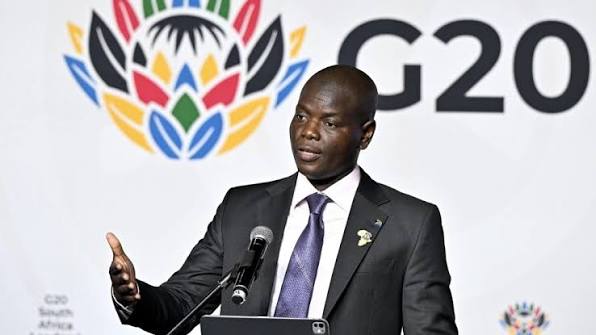
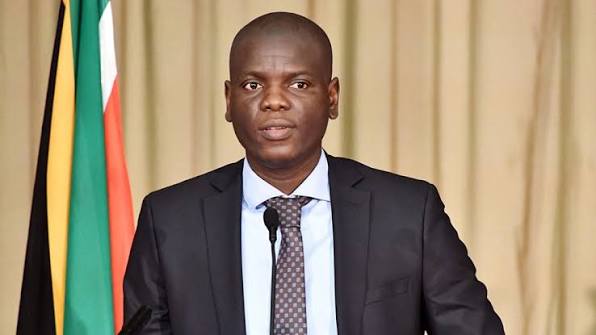
South African International Relations and Cooperation Minister Ronald Lamola visited Abuja in July, where the treatment and safety of Nigerians in South Africa formed part of discussions between the two governments. Reuters reported that Lamola reiterated South Africa’s rejection of xenophobia during those engagements.
Both governments have generally attempted to keep migration tensions from overwhelming the broader bilateral relationship, which includes substantial trade, business and diplomatic ties.
Nigeria’s legislature similarly stressed that its boycott should not be interpreted as an attempt to undermine those historical relations.
Parliamentary boycott is narrower than a diplomatic rupture
The distinction between legislative and executive relations is important.
Nigeria has not announced the withdrawal of its ambassador, suspension of diplomatic relations or a general prohibition on Nigerian government officials travelling to South Africa.
Reuters reported that the parliamentary directive does not apply to Nigerian government visits more broadly.
The decision is nevertheless unusually strong in parliamentary-diplomacy terms because it freezes official legislative exchanges until Nigerian lawmakers decide conditions have improved sufficiently to reconsider it.
It also removes one channel through which lawmakers from the two countries could directly discuss migration, policing and the treatment of nationals.
South African response will be closely watched
South Africa’s government and Parliament had not publicly issued a substantive response to the Nigerian National Assembly decision in the current-source scan.
The immediate questions are whether Pretoria will formally engage Abuja over the allegations and whether Parliament will address the impact on the Commonwealth gathering beginning on Sunday.
South African authorities will also face pressure to distinguish between verified xenophobic attacks, ordinary criminal cases and disputed allegations involving law enforcement.
That distinction matters both for criminal accountability and for the credibility of the diplomatic response.
But Nigeria’s parliamentary leadership has already reached a political conclusion: existing assurances have not been sufficient to address its concerns.
The result is an indefinite suspension of legislative engagement between two of Africa’s most influential states — announced on the eve of an international parliamentary conference South Africa had intended to showcase as an exercise in Commonwealth cooperation.