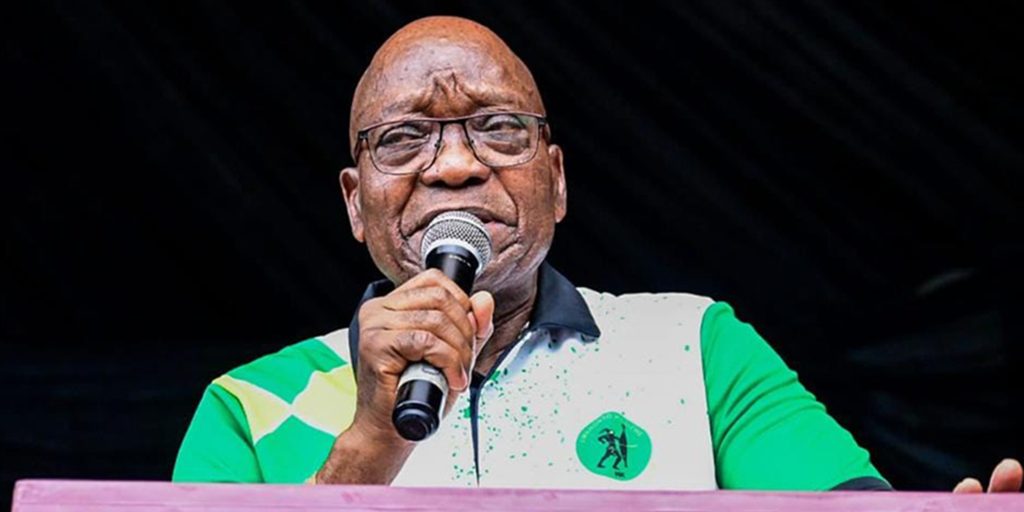
DURBAN, Sunday 13 September 2026 — The MK Party is facing mounting financial pressure that senior insiders say could constrain its first local-government election campaign, while internal anger over disputed candidate lists has spread beyond eThekwini to structures in KwaZulu-Natal, Mpumalanga and the Free State.
Three senior party insiders told the Sunday Times that unpaid service providers, centralised financial controls and candidate-selection disputes were damaging preparations for the 4 November local government elections.
The party did not respond to the newspaper’s requests for comment on the latest claims.
Parts of the financial picture are nevertheless supported by earlier MK Party communications and reporting showing that spending, travel and venue commitments were frozen during the year while the leadership reviewed the organisation’s finances.
Manifesto launch reportedly under pressure
According to the Sunday Times, MK Party insiders say financial problems could prevent the organisation from staging the large-scale municipal manifesto launch originally envisaged for eThekwini.
One party insider said some service providers that had worked with MK since its formation were reluctant to accept further work because previous bills remained unpaid.
Those claims have not been independently verified and the party has not publicly confirmed that its manifesto launch will be scaled down or cancelled.
They are, however, significant because eThekwini is among the municipalities where MK is expected to mount one of its strongest challenges.
Earlier spending freezes show financial pressure predates election crisis
The financial difficulties reported this weekend are not entirely new.
In June, treasurer-general Brian Molefe circulated a memorandum suspending party-funded travel, accommodation, vehicle hire and venue bookings while the organisation worked on debtor management, budgeting and allocation of funds.
The party also delayed some payments to provincial election structures.
In July, President Jacob Zuma centralised control over party finances and revoked signing powers held by other officials while a financial review was undertaken, according to previous reporting cited by the Sunday Times.
Earlier in the year Zuma removed then treasurer-general Mpiyakhe Limba, describing the organisation as facing a severe financial problem.
Zuma asked MPs and MPLs to settle party contributions
The Sunday Times now reports that Zuma has asked MK Party MPs and MPLs to ensure outstanding party contributions are paid to help the organisation meet its financial obligations.
Political parties commonly require elected representatives to make contributions from their salaries, although internal rules differ.
The reported request comes at a sensitive time because campaign expenditure typically accelerates in the final weeks before an election.
Parties need resources for transport, venues, posters, rallies, digital advertising and mobilisation structures.
For MK, this is its first local government election and therefore its first attempt to run a municipal campaign across large numbers of wards and councils.
Candidate-list anger goes beyond eThekwini
The financial story is unfolding alongside a separate but interconnected organisational crisis.
The MK Party has already confirmed that Zuma ordered an investigation into allegations that candidates selected through internal processes were removed from final lists and replaced before submission to the IEC.
The party has said manipulation, gatekeeping and abuse of organisational procedures would not be tolerated.
That investigation was previously associated most visibly with eThekwini.
The Sunday Times now reports that similar complaints have emerged in Msunduzi, Mangaung and Mbombela, as well as elsewhere in KwaZulu-Natal, Mpumalanga and the Free State.
Those claims remain internal allegations under investigation.
eThekwini fallout already reshaped party structures
The eThekwini dispute has already produced senior personnel changes.
Zuma removed Zandile Hlophe-Mkhwanazi and Sibonelo Maphumulo from the national party liaison committee and disbanded the presidential task team involved in election preparations.
Hlophe-Mkhwanazi was also replaced as the party’s eThekwini mayoral candidate by former African Transformation Movement figure Mxolisi Phakathi.
Those developments were previously covered by Mzansi Political Safari.
The new material development is that candidate-list dissatisfaction now appears to extend across several provinces while financial pressure is simultaneously constraining campaign preparation.
Risk is organisational as well as financial
The two problems could reinforce each other.
A party can campaign with limited financial resources if its volunteer structures remain motivated and organised.
It can also absorb internal candidate disputes more easily if it has sufficient campaign infrastructure and professional capacity.
Facing both at the same time creates a different risk.
An MK insider quoted by the Sunday Times warned that activists who believe candidate processes were manipulated may refuse to campaign or become less willing to mobilise voters.
That is particularly important in ward contests, where local branches and volunteers often determine whether a party can translate national support into council seats.
eThekwini remains major prize
MK’s organisational condition matters most immediately in KwaZulu-Natal.
The party emerged from the 2024 national and provincial elections as the dominant political force in the province and is attempting to convert that support into control of municipal councils.
eThekwini is its most important metropolitan target.
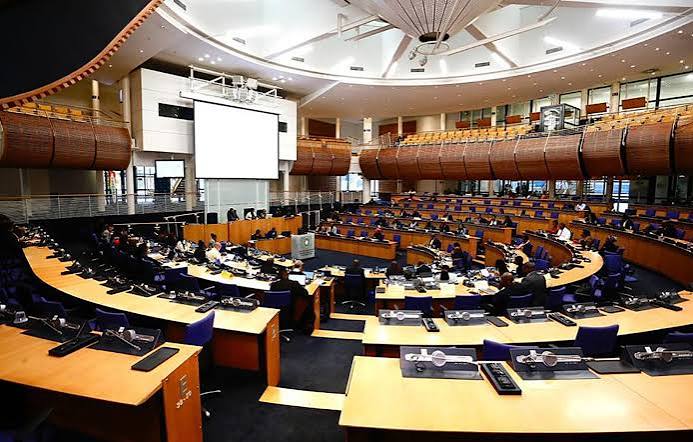
No party currently has a secure majority there, meaning relatively small differences in seat totals could determine whether MK can govern alone, lead a coalition or remain in opposition.
That raises the stakes of both candidate-list integrity and campaign mobilisation.
Gauteng expansion adds to resource demands
The party is simultaneously campaigning outside KwaZulu-Natal.
It has named former Midvaal mayor Bongani Baloyi as its Johannesburg mayoral candidate and, on Saturday, announced former City of Tshwane official Nkele Annie Matime as its Tshwane contender.
Those campaigns require organisational capacity in metros where MK does not yet have the same entrenched structure it enjoys in KwaZulu-Natal.
A nationally stretched campaign budget could therefore force the party to choose between concentrating resources in areas where it is strongest and maintaining a visible national municipal campaign.
Party remains electorally significant despite turmoil
The financial and candidate disputes do not mean MK is necessarily heading for electoral decline.
Its support base remains substantial, particularly in KwaZulu-Natal, and a campaign built around Zuma and local volunteers may require less formal infrastructure than those of longer-established parties.
The party has also demonstrated that it can mobilise large crowds despite being a relatively new organisation.
But the latest reports introduce a more immediate operational question.
MK is entering the final seven weeks of the campaign while investigating its own candidate lists, reorganising structures involved in election administration and reportedly struggling to settle some supplier obligations.
How effectively it resolves those issues could determine whether the support it has demonstrated in national polling converts into ward wins, council seats and coalition leverage on 4 November.