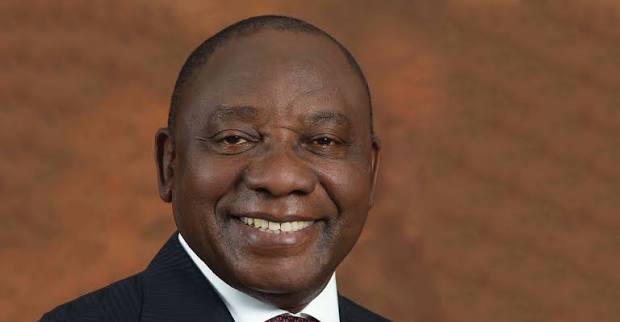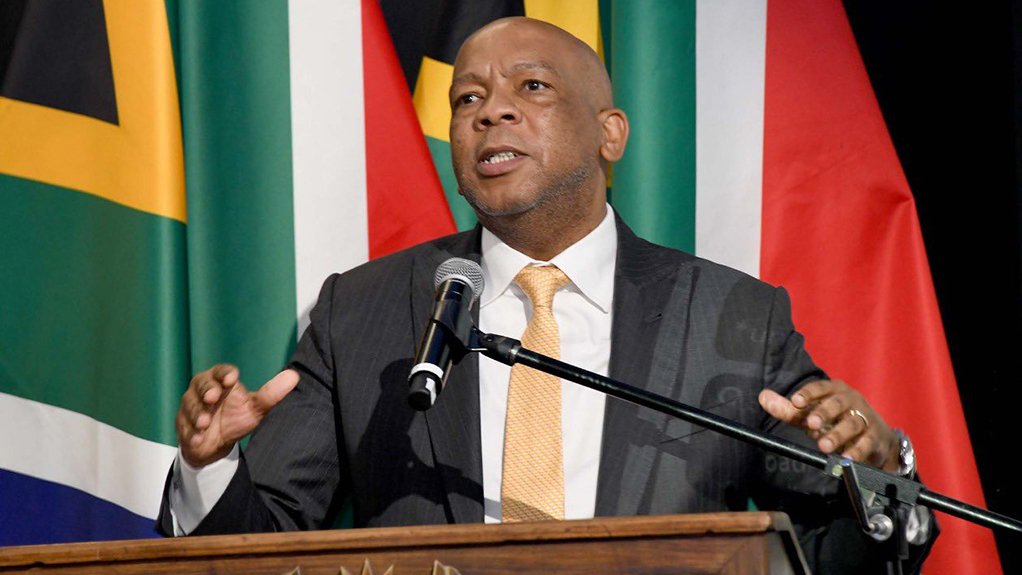
CAPE TOWN, Thursday 1 October 2026 — Electricity and Energy Minister Kgosientsho Ramokgopa says government expects to eliminate load reduction across South Africa by March 2027, with the number of affected Eskom customers falling to about 247,600 as the remaining interventions concentrate on Gauteng and KwaZulu-Natal.
Ramokgopa also told the National Assembly that government’s review of electricity pricing could support an increase in free basic electricity to between 200 and 300 kilowatt-hours a month, substantially above the current basic allocation available to qualifying households.
He said government believed such an increase could be accommodated with existing fiscal support rather than requiring an additional allocation from National Treasury.
The pricing review is expected to be completed by the end of January 2027.
Load reduction down to about 247,600 customers
Load reduction is different from load shedding.
Load shedding is used when the national electricity system does not have sufficient generation to meet demand.
Load reduction is imposed on local distribution networks where infrastructure is at risk from overloading, often in areas affected by illegal connections, meter bypasses, electricity theft and network constraints.
At the height of the problem, about 1.69 million Eskom customers were affected.
Eskom reported last week that more than 1.4 million customers had subsequently been removed from load-reduction schedules, leaving 247,617 customers, or about 3.4% of its customer base, still affected.
Seven provinces are now free of load reduction.
Ramokgopa said the remaining affected customers are in Gauteng and KwaZulu-Natal.
“We are confident that before the end of March next year we would have eliminated load [reduction] across the length and breadth of the country,” he told MPs.
The March 2027 deadline is consistent with the programme previously announced by government and Eskom.
Government considers 200–300 kWh free electricity allowance
The more consequential policy development for households concerns the amount of electricity provided through the Free Basic Electricity programme.
The current framework provides qualifying indigent households with a basic allocation intended to meet essential electricity needs.
Ramokgopa told Parliament that the revised pricing framework could support a substantially larger allocation.
“We are confident that with the current fiscal support, we can afford anything between 200 and 300 kilowatt hour of free basic electricity, so we don’t need any additional allocation from Treasury,” he said.
The proposal is not yet a final entitlement.
The revised electricity-pricing policy remains under review and the final policy is expected by the end of January.
Any change would also have to be implemented through the relevant regulatory, fiscal and municipal mechanisms.
Electricity pricing policy under review
Cabinet approved the revised Electricity Pricing Policy for public consultation earlier this year.
The policy is intended to change how electricity tariffs are calculated as the electricity market becomes more competitive and Eskom’s traditional vertically integrated structure changes.
Ramokgopa has previously said the new framework should prevent inefficient costs from simply being transferred to consumers.
Under the proposed approach, excessive technical losses, electricity theft, bad debt and other inefficient costs would face greater scrutiny before being included in electricity tariffs.
The National Energy Regulator of South Africa would continue to assess costs before approving tariffs.
Government has not promised that the reforms will immediately lower electricity prices.
Ramokgopa has previously cautioned that generation costs, network investment, municipal surcharges, debt and infrastructure requirements will continue to affect tariffs.
Smart meters central to ending local outages
Government’s plan to eliminate load reduction relies heavily on smart meters and upgrades to overloaded distribution infrastructure.
Smart meters allow Eskom to identify individual customers who are bypassing meters or consuming electricity unlawfully rather than disconnecting an entire feeder.
Government has argued that this allows paying households to avoid being cut off because of illegal connections elsewhere on the same network.
The programme also includes transformer and feeder upgrades, distributed energy projects and efforts to register more qualifying households for free basic electricity.
Eskom said in July that more than one million customers had already been removed from load reduction.
By late September, that figure had increased to more than 1.4 million.
Gauteng and KwaZulu-Natal remain final challenge
The programme has progressively removed provinces from load reduction as local networks have been stabilised.
The remaining interventions are now concentrated in Gauteng and KwaZulu-Natal, where high-density settlements, overloaded infrastructure and illegal connections have made the problem more difficult to resolve.
Government’s target is for the remaining affected feeders to be stabilised by March.
If achieved, it would end a practice that has continued to leave some communities without electricity even after the national generation shortage that drove load shedding was brought under control.
The next major policy milestone comes at the end of January, when Ramokgopa expects the electricity-pricing review to be completed.
That process will determine whether government’s proposed expansion of free basic electricity to between 200 and 300 kWh moves from a funding assessment into an implemented national policy.