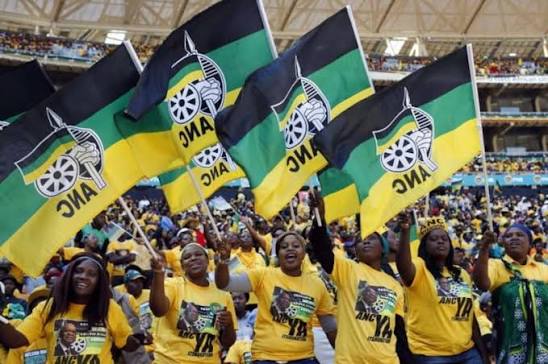
JOHANNESBURG, Thursday 15 October 2026 — The Constitutional Court has ruled in favour of the African National Congress (ANC), allowing 181 previously excluded councillor candidates to contest the 4 November local government elections after overturning an Electoral Court decision that upheld their exclusion.
The ruling, delivered on Thursday morning, directs the Electoral Commission of South Africa (IEC) to take the necessary steps to include the affected ANC candidate lists and nominations.
The decision affects six municipalities across the Eastern Cape, KwaZulu-Natal and Free State, including Mangaung Metropolitan Municipality.
It resolves a major legal obstacle facing the ANC less than three weeks before voters go to the polls.
Constitutional Court overturns Electoral Court ruling
Justice Rammaka Mathopo delivered the Constitutional Court’s majority order, granting the ANC leave to appeal and setting aside the Electoral Court’s earlier decision.
The Electoral Court had dismissed the ANC’s application on 16 September after finding that the party had failed to complete the required electronic submission process before the IEC’s nomination deadline.
Thursday’s order reverses that outcome.
The Constitutional Court directed the IEC to take the steps necessary to ensure the affected ANC nominations are included in the elections.
The court indicated that reasons for its decision would follow.
The full legal reasoning underpinning the majority order was therefore not immediately available.
Six municipalities affected
The dispute concerns 181 candidates across six municipalities where the ANC failed to complete the final electronic submission of its nominations.
The affected municipalities are Mangaung in the Free State, uMshwathi in KwaZulu-Natal, and Ngquza Hill, Port St Johns, Walter Sisulu and Sundays River Valley in the Eastern Cape.
The nominations comprise 130 proportional-representation candidates and 51 ward candidates.
The exclusions had created significant electoral difficulties for the ANC.
In Ngquza Hill and Port St Johns, the party faced the prospect of being unable to contest either ward or proportional-representation seats.
In the remaining municipalities, the dispute primarily affected proportional-representation candidate lists.
Thursday’s ruling allows the party to contest the affected seats, subject to the IEC implementing the court’s order.
Dispute centred on final submission button
The legal challenge arose after the ANC uploaded candidate information onto the IEC’s Online Candidate Nomination System before the 28 August deadline but failed to complete the final submission step.
The IEC maintained that the party had not validly submitted its nominations because its representatives had not selected the system’s final confirmation option.
The ANC argued that the requirement to click the final submission button was not expressly prescribed by electoral legislation.
Its legal representatives maintained that the party had already uploaded the required candidate information and paid the applicable deposits before the deadline.
The ANC argued that those steps demonstrated its intention to contest the elections.
The IEC opposed that interpretation.
It maintained that uploading candidate information did not necessarily constitute a final nomination and that electoral deadlines and submission procedures had to be applied consistently.
The commission also disputed earlier claims that technical problems with its system had prevented the ANC from completing the process.
DA opposed ANC’s appeal
The Democratic Alliance (DA) intervened in the proceedings in support of the IEC’s position.
The DA argued that accepting candidate information that had not been formally submitted could undermine the consistent application of electoral requirements.
Its legal representatives also raised concerns about the consequences for other political parties that had failed to complete their submissions.
According to information presented during the proceedings, 2,274 candidates from 45 political parties had been captured on the IEC’s electronic system without their nominations being finalised before the deadline.
The DA argued that a ruling in the ANC’s favour could have implications beyond the six municipalities directly involved in the case.
The Constitutional Court’s majority order resolves the ANC’s appeal, but the implications for other affected parties will require consideration of the court’s full reasons and any subsequent IEC decisions.
IEC faces ballot preparation challenges
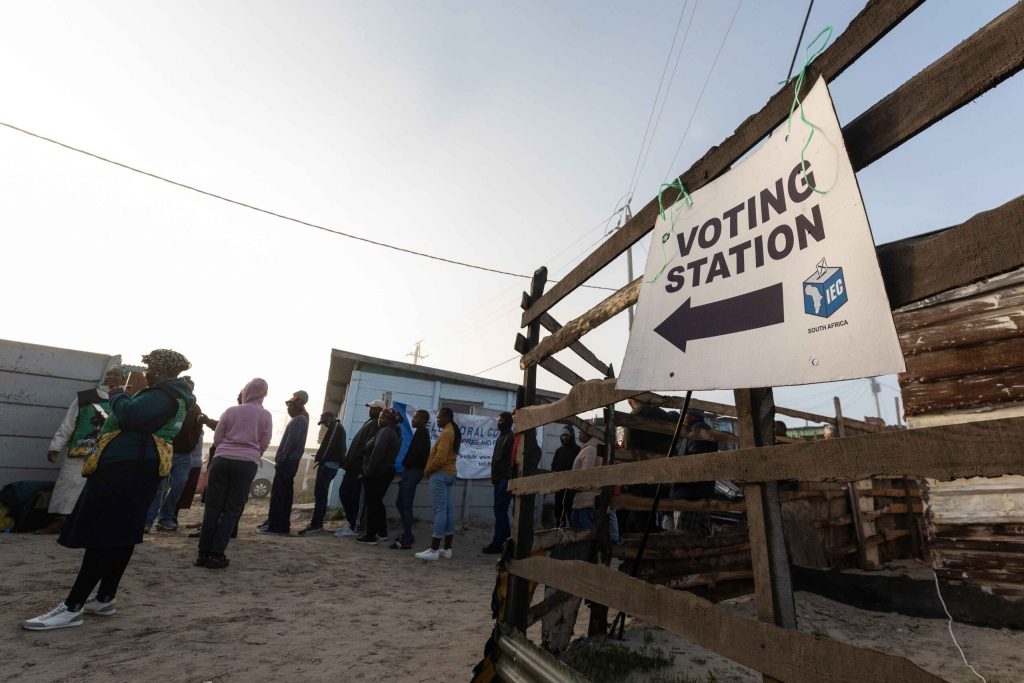
The ruling comes at an advanced stage of preparations for the municipal elections.
During an election-readiness briefing on Wednesday, IEC deputy chief electoral officer Masego Sheburi warned that a ruling in the ANC’s favour could require the commission to reprint affected ballot papers.
The IEC indicated that approximately 66% of the planned ballot papers had already been printed.
The commission said contingency arrangements had been considered to accommodate the possibility of an adverse court ruling.
Thursday’s decision now requires the IEC to implement the Constitutional Court’s order while continuing preparations for voting on 4 November.
The number of ballot papers requiring replacement and the additional financial implications have not yet been confirmed.
Ruling changes electoral contest in affected municipalities
The decision is particularly significant for municipalities where the ANC had faced exclusion from proportional-representation ballots or the entire electoral contest.
Mangaung is among the country’s metropolitan municipalities and remains an important electoral battleground in the Free State.
In the Eastern Cape, the ruling restores the ANC’s ability to contest seats that would otherwise have been unavailable to it because of the nomination dispute.
The decision also affects the electoral choices available to voters in the six municipalities.
However, the ruling does not determine how voters will cast their ballots or which parties will ultimately control the affected councils.
Those outcomes will depend on the results of the municipal elections.
Court’s full reasons still awaited
The Constitutional Court’s order brings an end to the ANC’s immediate legal challenge over the excluded nominations.
The IEC must now implement the ruling within the remaining election timetable.
The court’s full reasons will be important in clarifying how electoral legislation should be interpreted when candidate information has been uploaded electronically but the final submission process has not been completed.
The judgment may also inform future disputes concerning electronic nomination procedures and the consistent treatment of political parties.
For now, the immediate consequence is that the ANC’s 181 affected candidates can participate in the 4 November municipal elections.