CAPE TOWN, Monday 19 October 2026 — The GOOD Party has questioned the City of Cape Town’s legal challenge to an electricity tariff determination after obtaining regulatory records indicating that the municipality sought a 14.5% increase for the 2025/26 financial year but received approval for 12.8%.
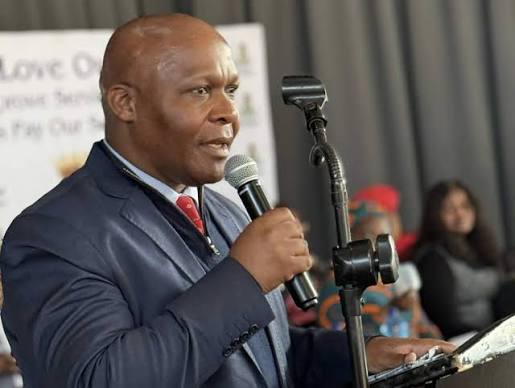
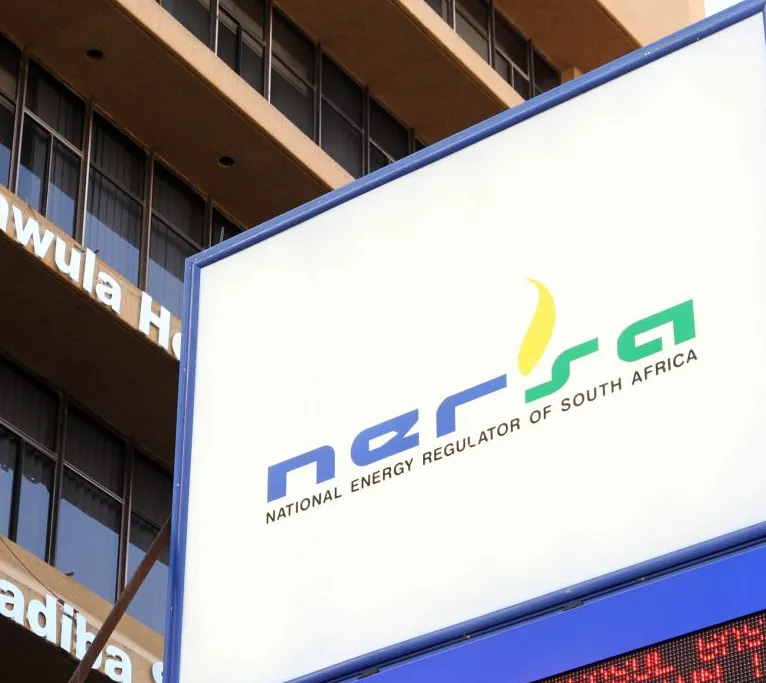
GOOD secretary-general Brett Herron disclosed the information on Monday, saying it emerged from the National Energy Regulator of South Africa’s (NERSA) reasons for its 2026/27 tariff decision.
The party obtained the records through a Promotion of Access to Information Act (PAIA) request.
The disclosure adds detail to an existing dispute between the DA-led municipality and the energy regulator over electricity tariff approvals.
NERSA records detail tariff disagreement
According to Herron, the regulator’s document confirms that Cape Town challenged NERSA’s decision to approve a 12.8% increase rather than the municipality’s requested 14.5%.
The difference amounts to 1.7 percentage points.
Herron said the document also indicated that NERSA had filed the record of its decision in the court proceedings and was finalising its answering affidavit.
The GOOD Party questioned why the municipality was pursuing litigation aimed at overturning a decision that limited the approved increase.
The court proceedings concern the regulator’s determination for the 2025/26 financial year.
The existence of a legal challenge does not establish that the municipality has acted unlawfully.
City’s budget acknowledges judicial review
Cape Town’s own budget documentation confirms that the municipality placed NERSA’s 2025/26 tariff decision under judicial review.
The municipality’s 2026/27 electricity tariff annexure also records that an amount was added to the unregulated portion of the previous year’s tariff to compensate for the regulator’s decision to reduce the approved regulated tariffs.
The document explains that the adjustment was incorporated into the tariff calculations to prevent distortions when comparing annual increases.
The municipality’s position, as reflected in its budget documentation, is that the regulator’s decision required an adjustment to the tariff structure.
GOOD disputes the approach and argues that residents may have paid more than the regulator intended.
However, the legal status of the disputed charges and whether customers would be entitled to refunds have not been finally determined by a court.
GOOD demands answers from Hill-Lewis
Herron called on Cape Town Mayor Geordin Hill-Lewis to explain the litigation and its financial implications.
The party wants the municipality to disclose when the review application was instituted and precisely what relief it is seeking.
GOOD also wants to know how much additional revenue was collected through the disputed tariff arrangements.
The party has requested details of the municipality’s legal expenditure and whether customers would receive refunds if the litigation is unsuccessful.
Herron argued that the dispute was particularly important because electricity affordability remains a major concern for households and businesses.
He also questioned the consistency between the mayor’s public emphasis on affordable electricity and the municipality’s decision to challenge NERSA’s lower approved increase.
These criticisms represent GOOD’s political position and have not been established as findings of misconduct.
Tariff disputes have been before courts previously
Cape Town and NERSA have been involved in several legal disputes concerning electricity tariffs and the regulator’s decision-making procedures.
In December 2025, the Gauteng High Court finalised an order requiring NERSA to follow earlier deadlines when considering municipal electricity tariff applications.
The court adopted proposals supported by Cape Town concerning the timing of regulatory decisions and public participation.
The municipality welcomed that judgment, arguing that delayed tariff decisions complicated municipal budgeting.
Separately, Cape Town has challenged tariff determinations affecting earlier financial years.
The municipality previously confirmed that review proceedings concerning its 2025/26 tariff determination were being pursued.
Monday’s disclosure therefore provides additional details about an existing dispute rather than establishing that a new court application was filed this week.
Municipality’s response awaited
The City of Cape Town’s response to GOOD’s latest questions was not established in the information reviewed.
The municipality has previously argued that electricity tariffs must reflect the cost of supplying electricity and maintaining distribution infrastructure.
It has also criticised NERSA’s approach to municipal tariff decisions.
The GOOD Party maintains that the public should have access to sufficient information to assess whether the municipality’s tariff arrangements are lawful and financially justified.
The dispute comes ahead of the 4 November local government elections, with electricity costs and municipal financial management among the issues facing voters.
The next significant developments will be any substantive response from the municipality, further disclosure of the court documents and the eventual outcome of the tariff litigation.