JOHANNESBURG, Sunday 30 August 2026 — The ANC says it has successfully submitted candidates to contest all 257 municipalities in the 4 November local government elections, avoiding a repeat of its damaging 2021 nomination failure after a final week marked by internal disputes and threatened litigation, particularly in Buffalo City.
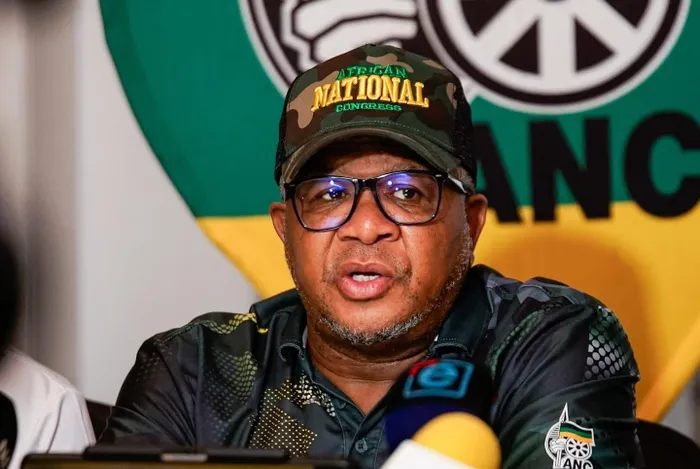
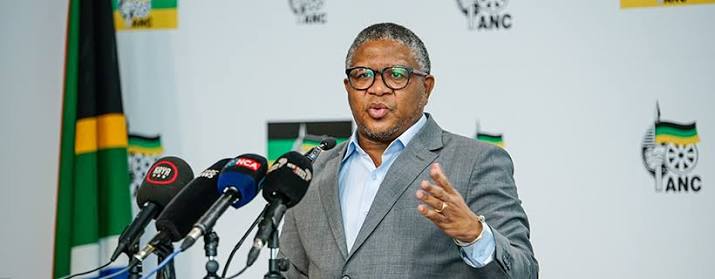
ANC secretary-general Fikile Mbalula confirmed on Saturday that the party had completed its submissions to the Electoral Commission of South Africa before Friday’s 17:00 deadline and had paid the required election deposits.
“No, it’s not true. We submitted all our candidates and paid in advance,” Mbalula told the Sunday Times when asked about claims that the party had failed to complete some Eastern Cape submissions.
The confirmation is electorally significant because the ANC entered the deadline facing unresolved disputes over candidate selection and concerns that problems in the Eastern Cape could leave it unable to field candidates in some wards.
The party convened two special National Executive Committee meetings in less than 48 hours during the final days before nominations closed as leaders worked through outstanding candidate-list issues.
The Eastern Cape was the main pressure point.
Around 180 branch disputes had initially been lodged in the province, according to senior party sources quoted by News24 and The Herald, with approximately 50 still outstanding during the final week.
Those disputes were concentrated in regions including Chris Hani, Alfred Nzo, OR Tambo, Amathole and Dr WB Rubusana, which covers Buffalo City.
The Buffalo City dispute is particularly consequential because it concerns one of South Africa’s eight metropolitan municipalities and an ANC administration the party is seeking to retain in November.
Disgruntled ANC members in the metro have alleged that branch nominations were bypassed and that candidates selected through local processes were removed from the final list.
ANC member Lwazi Rotya’s lawyers wrote to Mbalula earlier in the week demanding that the party address what they described as violations of its candidate-selection guidelines and threatening court action if it failed to do so.
Those allegations have not been determined by a court.
The dispute follows a separate legal battle over the ANC’s provincial leadership structures.
The High Court in Makhanda previously declared the party’s decision to replace its Eastern Cape provincial executive committee with a provincial task team unlawful.
The ANC reinstated the provincial executive committee on 19 August, only nine days before the IEC candidate deadline.
That compressed the time available for provincial structures to resolve candidate disputes and finalise lists.
A provincial list conference in East London had earlier been halted after branches from the Alfred Nzo and Chris Hani regions threatened legal action over unresolved disputes.
Within Buffalo City itself, tensions have included allegations of factional competition over candidate nominations.
Some members have claimed that regional deputy chairperson Malibongwe Mfazwe has been marginalised because of disagreements with a grouping associated with regional chairperson and Buffalo City Mayor Princess Faku.
The Citizen reported that members alleged the candidate process was being manipulated to favour one faction.
Those remain allegations within the party and have not been independently established.
The ANC’s successful submission means those disputes have not prevented it from entering the election across the country.
They could nevertheless remain politically important if dissatisfied members pursue litigation, resign, stand behind rival parties or withhold campaign support.
Buffalo City deserves particular attention because opposition parties are deploying prominent candidates in an effort to weaken the ANC’s control.
The UDM has selected its deputy president, Nqabayomzi Kwankwa, as its Buffalo City mayoral candidate.
Kwankwa is originally from the Qonce area and is seeking to use his national profile and local roots to expand the UDM’s presence in the metro.
The Patriotic Alliance has also been making inroads into parts of Buffalo City.
Two former ANC councillors contested recent by-elections for the PA after defecting, although the ANC retained both wards.
In Ward 1, the PA increased its support sharply in several voting districts, while the UDM also recorded substantial gains in parts of Duncan Village.
The results demonstrated that the ANC remains electorally strong in the metro but that opposition competition is becoming more fragmented.
The national significance of Friday’s deadline is heightened by what happened in the previous municipal election.
In 2021, the ANC failed to submit candidate lists on time in at least 20 municipalities and hundreds of wards.
It was ultimately able to submit candidates after the IEC reopened aspects of the timetable following the postponement of the election during the COVID-19 pandemic, a decision challenged unsuccessfully by the DA in the Constitutional Court.
There will be no equivalent routine second opportunity this year.
The IEC warned parties before Friday’s deadline that late nominations and ordinary amendments would not be accepted.
Under municipal electoral law, failing to submit the necessary nomination documents before the deadline can prevent a party from contesting the affected election. The IEC’s own guidance confirms that candidate submissions must comply with deadlines contained in the formal election timetable.
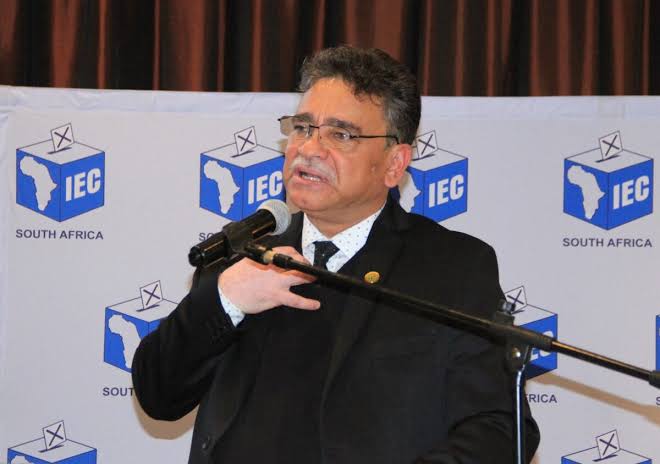
By Friday’s close, 519 of South Africa’s more than 700 registered political parties had submitted candidates, according to IEC chief electoral officer Sy Mamabolo.
“It appears as if a substantial majority of registered parties have submitted candidates,” Mamabolo said.
The Democratic Alliance separately confirmed that it had submitted candidates for all 257 municipalities and 4,484 wards before the deadline.
The completion of nominations marks an important transition in the election timetable.
Parties can no longer resolve political disagreements simply by adding replacement candidates to their lists after the deadline.
The IEC must now scrutinise the submissions and determine whether nominated candidates and parties have complied with the legal requirements.
That makes unresolved internal disputes more consequential.
A councillor who loses an internal party battle now has substantially fewer options for securing a place on another party’s 2026 list, while litigation affecting submitted nominations could become increasingly significant as the ballot is finalised.
For the ANC, attention will also shift towards its delayed selection of mayoral candidates.
The party has shortlisted candidates for major municipalities but intends announcing its final mayoral choices in September.
In Johannesburg, for example, the shortlist includes incumbent Mayor Dada Morero, Deputy Mayor and ANC regional chairperson Loyiso Masuku and ANC veteran Frank Chikane.
Buffalo City presents a different challenge.
The ANC enters the election as the incumbent governing party but must now campaign while managing disputes over the composition of the very candidate list it has submitted.
Any court challenge to that list would therefore constitute a material new development, particularly if it affects individual wards, the proportional-representation list or senior figures expected to form part of a future ANC administration.
For now, however, the immediate electoral risk has passed: unlike in 2021, the ANC says it will be on the ballot across all 257 municipalities.
The next test is whether the party can keep its local structures together through the campaign — particularly in Buffalo City and other Eastern Cape municipalities where candidate-selection disputes remain unresolved.