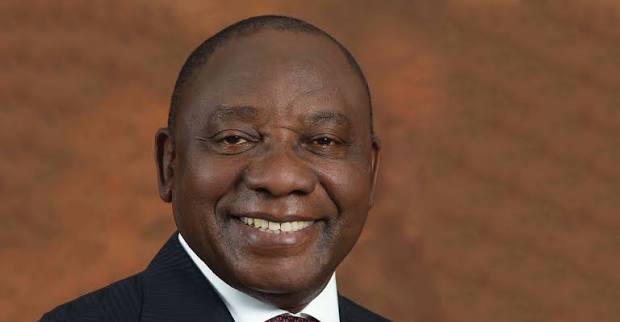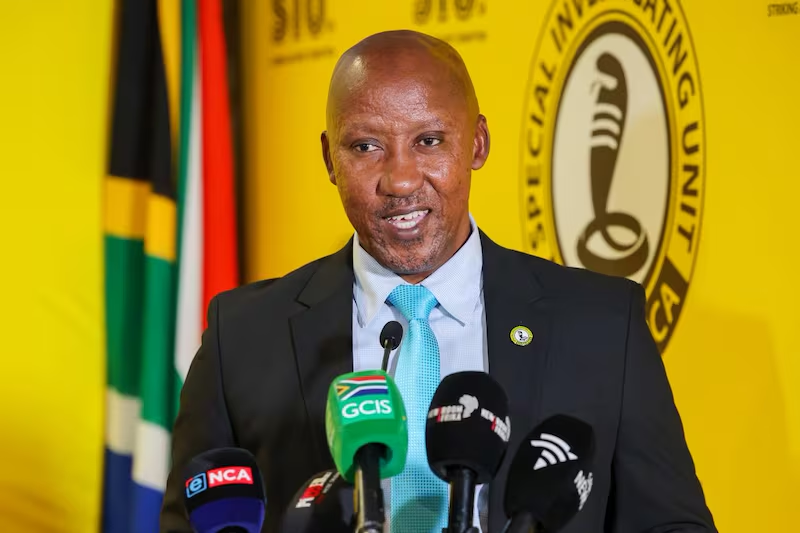
PRETORIA, Tuesday 1 September 2026 — President Cyril Ramaphosa has appointed Leonard Gaoretelelwe Lekgetho as permanent head of the Special Investigating Unit with effect from Tuesday, giving the country’s principal civil anti-corruption agency permanent leadership after seven months under an acting head.
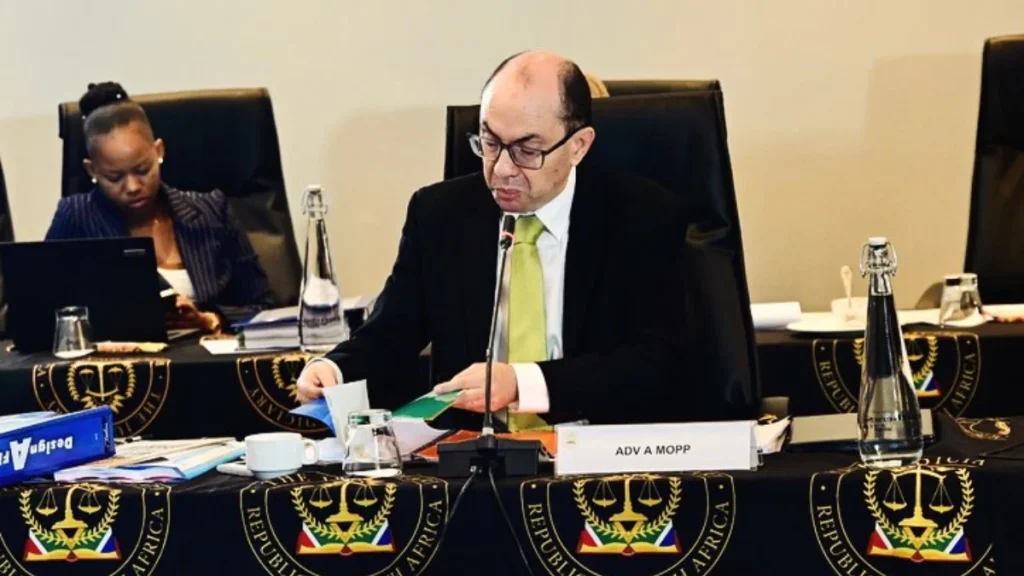
Lekgetho had served as acting head of the SIU since 1 February, when his predecessor, Advocate Andy Mothibi, left the unit to become National Director of Public Prosecutions.
The Presidency said Lekgetho’s permanent appointment would provide stability to an institution that plays a central role in investigating corruption, maladministration and the misuse of public funds.
Lekgetho has spent 19 years at the SIU and has served in roles ranging from investigations to senior management.
Before becoming acting head, he was the unit’s chief operations officer.
His earlier positions included chief forensic investigator, project manager, chief national investigations officer and other investigative leadership roles.
Lekgetho also worked as an investigator in the former Directorate of Special Operations, commonly known as the Scorpions.
Presidential spokesperson Vincent Magwenya said Lekgetho’s experience included work across multiple portfolios within the SIU.
“President Ramaphosa wishes Mr Lekgetho and the leadership and staff of the SIU well,” Magwenya said, describing the unit as a critical part of South Africa’s criminal justice architecture against crime and corruption.
The appointment gives permanent leadership to the SIU at a time when the unit is conducting investigations across national, provincial and municipal government.
Unlike the National Prosecuting Authority, the SIU does not itself institute criminal prosecutions.
It investigates matters authorised by presidential proclamations and can institute civil proceedings to recover state money or assets lost through corruption, fraud or maladministration.
Evidence of possible criminal conduct uncovered during its investigations can be referred to the NPA for prosecution.
The SIU’s mandate also places it directly within several politically sensitive areas of government.
Its investigations have included procurement and contracting at municipalities, national departments, provincial administrations and state-owned institutions.
The unit has increasingly used the Special Tribunal to seek the cancellation of unlawful contracts and recovery of public funds.
Lekgetho therefore assumes permanent control of an institution whose work frequently intersects with political accountability.
The appointment also completes a significant change in leadership across two of South Africa’s main anti-corruption institutions.
Mothibi led the SIU for almost a decade before Ramaphosa appointed him NDPP earlier this year.
Ramaphosa appointed Lekgetho as acting SIU head at the same time, citing his extensive forensic-investigation experience.
The President has now opted for continuity by making that appointment permanent rather than bringing in an external candidate.
Lekgetho holds qualifications in law, education and science, as well as qualifications in forensic auditing and cyber law.
The SIU says he has also undergone investigative and leadership training through institutions including the FBI Academy in the United States and the Commonwealth Africa Anti-Corruption Centre.
His appointment comes as corruption and municipal governance are increasingly prominent issues ahead of the 4 November local government elections.
The SIU’s work is particularly relevant to municipalities because its investigations can expose procurement failures and recover losses while councillors, officials and contractors may separately face disciplinary or criminal processes.
Acting Police Minister Firoz Cachalia said last month that abuses of public power exposed through investigations such as those surrounding Tembisa Hospital were also prevalent across local government.
The SIU’s municipal caseload therefore provides an institutional backdrop to election campaigns increasingly focused on financial management, procurement and service delivery.
Lekgetho will also inherit the task of maintaining co-operation between the SIU, NPA and other components of the criminal justice system while preserving the different legal mandates of those institutions.
His relationship with Mothibi could be significant in that regard.
The two worked together at the SIU for years before Mothibi moved to the NPA, leaving former colleagues in charge of institutions responsible respectively for investigating and recovering losses and prosecuting criminal cases.
Lekgetho’s appointment does not alter the SIU’s statutory powers or the requirement that its investigations be authorised through presidential proclamations.
It does, however, remove the uncertainty associated with acting leadership at one of the state’s principal anti-corruption bodies.
The immediate test for the new permanent head will be whether the SIU can continue converting its growing number of investigations into recoveries, cancelled contracts, disciplinary referrals and criminal referrals while dealing with corruption allegations spanning all three spheres of government.