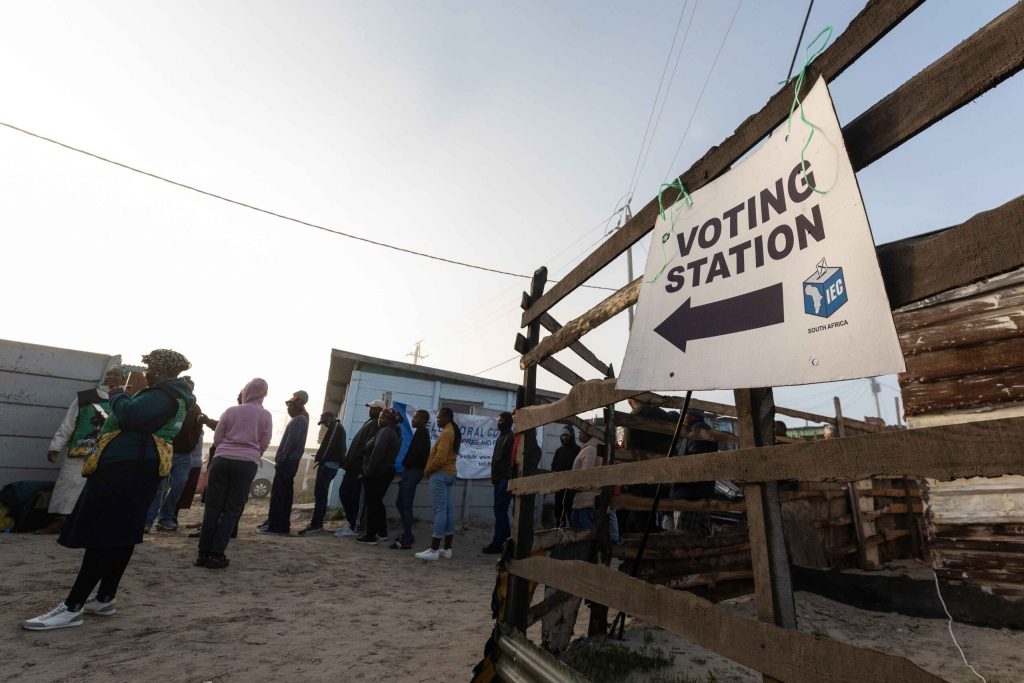
PRETORIA, Wednesday 7 October 2026 — The Department of Home Affairs will refer an online campaign containing allegedly false claims about South Africa’s asylum system to the Electoral Commission, invoking the new election disinformation code less than a month before the 4 November local government elections.
Home Affairs said on Wednesday that misleading claims had circulated following an operational directive implementing a July Constitutional Court judgment concerning asylum applications.
The department said some of the material falsely claimed that Home Affairs, Minister Leon Schreiber or political parties had independently decided to suspend so-called “good cause” interviews for certain asylum applicants.
Home Affairs said the directive was issued to comply with a binding Constitutional Court judgment in litigation brought by the Scalabrini Centre of Cape Town.
The department had opposed the case before the court.
It said it would refer the disputed material to the IEC for further action under the Electoral Code of Conduct on Countering Disinformation.
AI-generated political images circulate
The referral follows the circulation of AI-generated political images linked to criticism of the asylum directive.
The Citizen reported that one image promoted a shutdown of Home Affairs offices, while another depicted DA Johannesburg mayoral candidate Helen Zille alongside Schreiber and purported to show them welcoming asylum seekers from elsewhere in Africa.
Zille described the material as fake news.
Home Affairs said claims that the Constitutional Court judgment grants asylum seekers citizenship or amounts to the blanket legalisation of undocumented foreign nationals were also false.
The department said the court judgment was binding and that it was constitutionally required to implement it.
The Constitutional Court ruled on 7 July that provisions of the Refugees Act governing parts of the asylum application process were unconstitutional and invalid.
Home Affairs said at the time that it respected the court’s authority and would study the judgment before determining how to implement it.
IEC code faces fresh test before election
The referral comes weeks after political parties and independent candidates contesting the municipal elections formally committed themselves to the IEC’s Electoral Code of Conduct and supporting Code on Countering Disinformation.
The IEC promulgated the disinformation code on 4 September.
It applies to election-related communications by political parties and candidates and covers online and offline campaigning, including the deceptive use of artificial intelligence-generated material.
The framework requires AI-generated election material to be appropriately labelled and provides mechanisms for reporting suspected election-related disinformation.
The IEC uses the Real411 complaints platform to process reports of suspected digital disinformation.
After complaints are assessed, the commission can issue corrective information or, where appropriate, recommend that a matter be considered by the Electoral Court for possible sanctions.
Home Affairs has not publicly identified the people responsible for all of the disputed content, and its referral does not itself establish that an individual, candidate or political party breached the electoral code.
That determination would require the complaint to proceed through the applicable IEC process.
Immigration becomes election issue
Immigration and asylum policy have become increasingly prominent issues during the local government election campaign.
ActionSA parliamentary chief whip Lerato Ngobeni has separately challenged the implications of the Home Affairs directive and called for Schreiber to provide information on issues including anticipated asylum application volumes, processing periods and the location of refugee reception facilities.
Those policy criticisms are distinct from Home Affairs’ allegations concerning deliberately false online content.
Home Affairs said it would continue implementing the Constitutional Court ruling while challenging what it described as disinformation capable of inflaming tensions.
The IEC’s handling of the referral will provide an early test of the disinformation framework introduced for the 2026 municipal elections.