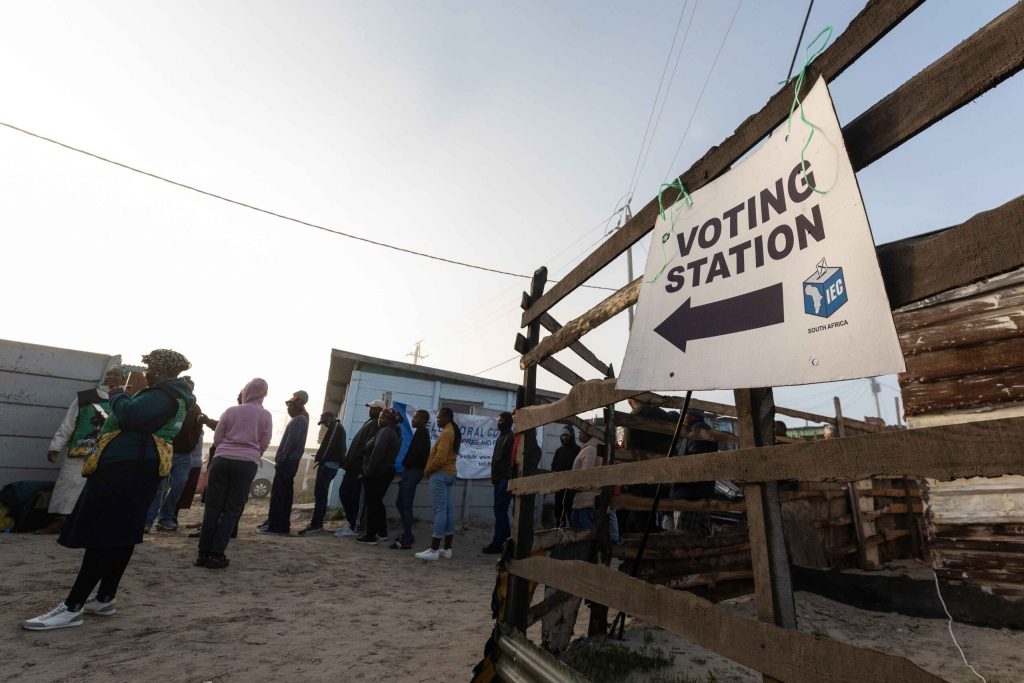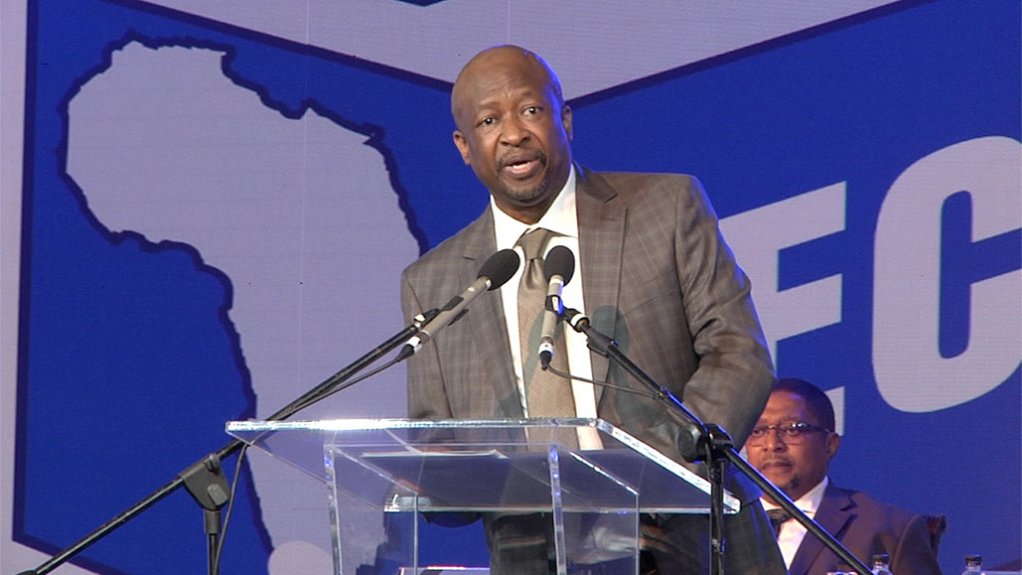
PRETORIA, Wednesday 14 October 2026 — The Electoral Commission of South Africa (IEC) has approved approximately 2.6 million special-vote applications for the 4 November local government elections, representing a 131% increase compared with the previous municipal elections in 2021.
IEC chief electoral officer Sy Mamabolo announced the figures during a media briefing on Wednesday, confirming that special voting will take place on 2 and 3 November.
The sharp increase means the commission must accommodate substantially more voters before election day, including hundreds of thousands who qualify for home visits.
The IEC also provided an update on ballot-paper production, voting-station arrangements and measures intended to protect the integrity of the elections.
Special-vote applications more than double
According to Mamabolo, approximately 1.1 million special-vote applications were approved during the 2021 municipal elections.
The number has now increased to approximately 2.6 million.
The commission approved 678,000 applications for home visits, compared with 507,000 in 2021.
This represents an increase of approximately 33%.
Home visits are intended for eligible registered voters who cannot travel to their voting stations because of physical conditions, disability or other qualifying circumstances.
KwaZulu-Natal recorded the highest number of approved home-visit applications, at approximately 137,000.
Voting-station special votes rise sharply
The largest increase occurred in the category allowing registered voters to cast their ballots at voting stations before election day.
The IEC approved approximately 1.9 million applications in this category, compared with 602,000 in 2021.
This represents an increase of approximately 227%.
These applications cover voters who can physically attend their registered voting stations but will be unable to vote on 4 November.
Gauteng recorded the highest number of approved voting-station special-vote applications, at approximately 391,000.
Mamabolo said special voting was an important mechanism for ensuring that eligible citizens were not excluded from participating because they could not vote on election day.
Gauteng leads provincial applications
The IEC’s preliminary provincial figures show Gauteng recording the highest overall number of approved special-vote applications.
Approximately 480,000 applications were approved in the province.
The Eastern Cape followed with approximately 402,000, while KwaZulu-Natal recorded approximately 348,000.
Limpopo accounted for approximately 341,000 applications.
The figures reflect applications captured and processed at the time of Wednesday’s briefing.
The commission said the processing of manually submitted applications was still being finalised.
Approximately 2.4 million applications were received through online platforms, while about 154,000 manually submitted applications had been captured.
The IEC expects to complete the outstanding capturing process by 16 October.
Older voters account for most home visits
The commission’s figures show that women accounted for approximately 74% of approved home-visit applications.
Voters aged 60 and older represented nearly 80% of applications in this category.
The largest age group among home-visit applicants was people aged between 70 and 79.
Women also accounted for approximately 64% of voting-station special-vote applications.
The figures indicate that home visits are particularly important for older voters, while voting-station special votes are being used by a broader range of age groups.
The IEC said special-vote arrangements were intended to ensure that eligible voters could participate regardless of their ability to attend a voting station on election day.
Ballot-paper printing passes 66%
Mamabolo also reported progress in preparations for the municipal elections.
The IEC requires approximately 79 million ballot papers for the polls.
More than 66% had been printed by Wednesday, with production expected to be completed by 18 October.
The commission confirmed that arrangements had been secured for all 23,696 voting stations.
These include permanent, temporary and mobile voting stations.
The IEC is also finalising temporary infrastructure arrangements at 1,005 voting stations.
Approximately 188,500 electoral officials are being recruited, with training already under way.
IEC prepares measures against election disinformation
The commission also outlined plans to strengthen safeguards against misinformation and interference with election processes.
It intends to conclude a framework of co-operation with major technology and social media companies on 20 October.
The planned agreement is intended to improve co-operation in identifying and responding to disinformation during the election period.
The IEC has also indicated that measures are being strengthened to protect its election-results systems.
The commission has previously introduced additional provisions addressing disinformation as part of the electoral conduct framework.
Election date remains unchanged despite court challenge
Mamabolo said the IEC was not considering postponing the municipal elections because of the outstanding Constitutional Court dispute involving the ANC’s candidate submissions.
The ANC is challenging an Electoral Court ruling that excluded candidates in six municipalities after the party failed to complete the final electronic submission process before the nomination deadline.
The Constitutional Court heard the matter on 12 October and reserved judgment.
Mamabolo said the commission would continue preparing for the scheduled election date while awaiting the court’s decision.
The IEC’s position means preparations for the 4 November vote remain on schedule unless a subsequent legal or official decision requires changes.
Special voting scheduled for 2 and 3 November
The application period for special votes closed at 17:00 on 12 October.
Approved applicants will be able to cast their ballots on 2 and 3 November, either through an authorised home visit or at their registered voting station.
Voters who applied can check the status of their applications through the IEC’s official channels.
The commission has encouraged voters to verify their registration and voting-station information before election day.
With approximately three weeks remaining before the elections, the IEC’s immediate priorities include completing ballot-paper production, finalising special-vote arrangements and preparing election officials.
The final number of approved special-vote applications may change slightly as outstanding manual applications are processed.
The scale of the approvals represents a substantial increase in the number of voters expected to participate before the main election day.