PRETORIA, Friday 16 October 2026 — The Democratic Alliance (DA) has threatened legal action against the City of Tshwane over allegations that residents were not adequately warned about potentially unsafe drinking water in Bronkhorstspruit, following reports of up to 160 cases of diarrhoea and other gastrointestinal illnesses.
The party says it received information from a whistleblower alleging that the Bronkhorstspruit Water Treatment Plant had been operating without chlorine treatment for approximately three weeks.
The allegation has not been independently verified, and municipal authorities have not established whether the reported illnesses are linked to the water supply.
The dispute places renewed scrutiny on Tshwane’s water infrastructure and the administration led by Executive Mayor Dr Nasiphi Moya ahead of the 4 November local government elections.
DA demands water-quality records
The DA said it intends to pursue legal action over what it alleges was the municipality’s failure to adequately inform residents about possible risks to their drinking water.
The party is demanding that the city release water-quality test results, chlorine treatment records and operational reports relating to the Bronkhorstspruit Water Treatment Plant.
It also wants Moya to explain what municipal officials knew about the plant’s condition and whether residents were warned of potential health risks.
According to the DA, residents have complained about discoloured tap water for several months.
The party said it had previously raised concerns about reduced output at the treatment plant.
The allegations concerning chlorine treatment have not been confirmed by an independent technical assessment or laboratory findings made public.
Up to 160 illness cases reported
The political dispute follows confirmation by the City of Tshwane that between 140 and 160 cases of diarrhoea and other stomach-related illnesses were reported in Bronkhorstspruit and surrounding communities between 7 and 12 October.
Most patients received treatment at Bronkhorstspruit Hospital.
Additional cases were reported at Mamelodi Hospital, Steve Biko Academic Hospital and Wilgers Hospital.
No deaths have been reported in connection with the cluster.
Tshwane Member of the Mayoral Committee for Health Tshegofatso Mashabela said the municipality was investigating the cause of the illnesses.
A possible waterborne source is among the explanations being examined, although the city has stressed that no connection has been established.
Municipality intensifies water testing
The City of Tshwane has increased water-quality testing at the Bronkhorstspruit Water Treatment Plant and throughout the affected distribution network.
A multidisciplinary investigation involving municipal officials, Tshwane District Health Services and provincial and national health authorities is under way.
Laboratory results from patients’ blood and stool samples remain outstanding.
As a precaution, residents have been encouraged to use alternative safe water sources, including municipal water tankers.
The city said tankers supplying Region 7 obtain water from Cullinan, outside the affected supply area.
Municipal tankers are also disinfected daily, while drivers have received training in the safe handling of drinking water.
The city has urged residents experiencing persistent diarrhoea, vomiting, fever, weakness or dehydration to seek medical attention.
Treatment plant undergoing refurbishment
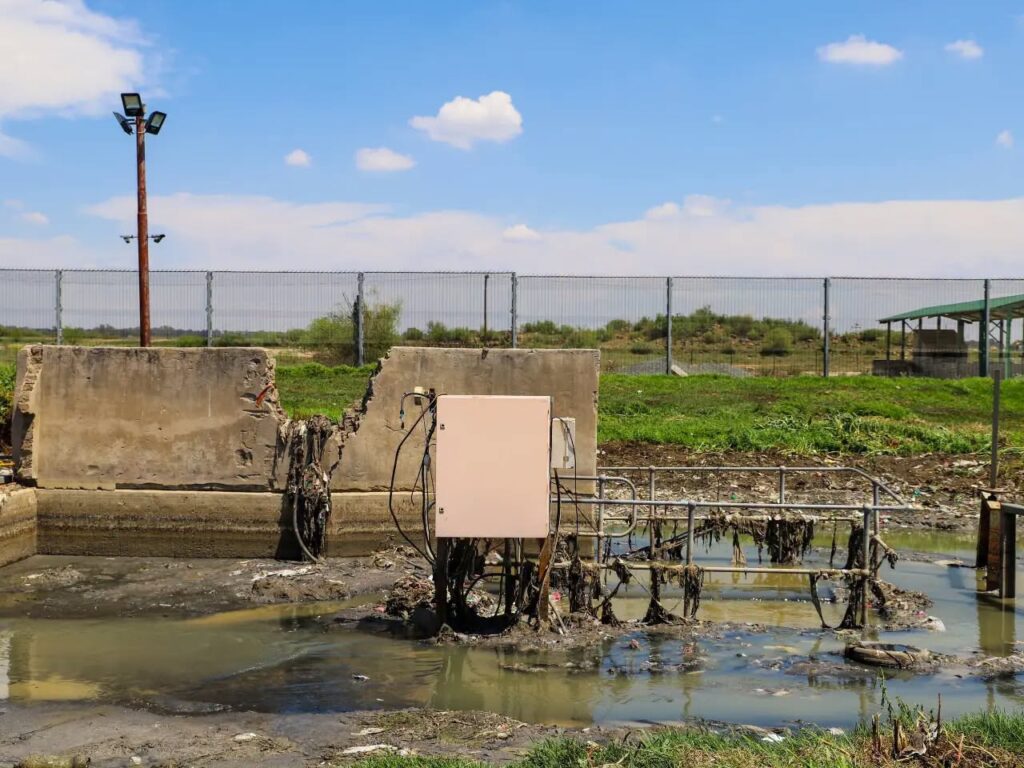
The reported illnesses come amid ongoing concerns about the condition of Tshwane’s water infrastructure.
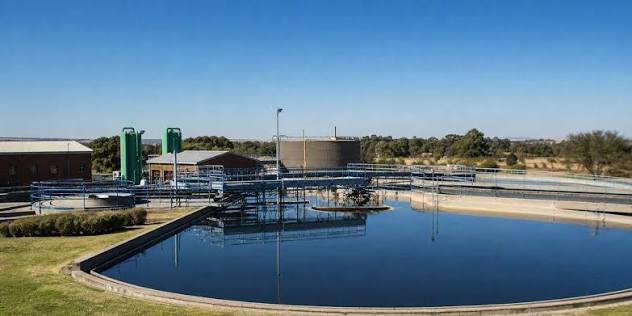
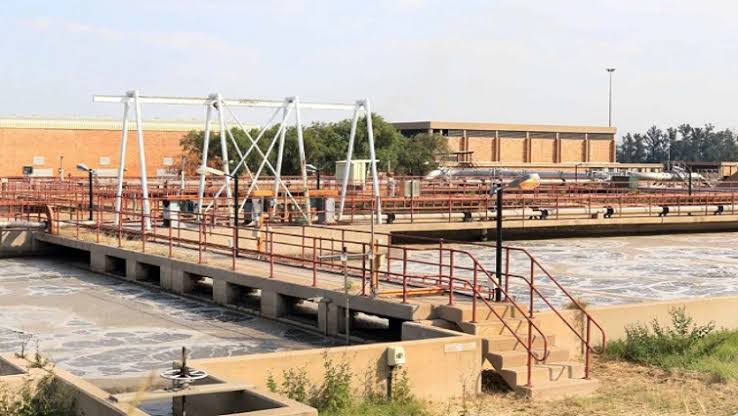
The municipality has been implementing improvements at the Bronkhorstspruit Water Treatment Plant as part of its Water Stabilisation Plan and longer-term Water Master Plan.
The programme includes refurbishing filtration systems, upgrading pumping infrastructure, cleaning and disinfecting reservoirs, and increasing water-quality monitoring.
A broader refurbishment is also being procured to modernise the ageing facility and restore its design capacity of approximately 54 million litres per day.
The municipality has not confirmed that the treatment plant caused the reported illnesses.
The DA’s allegations concerning chlorine treatment remain separate from the findings of the ongoing health investigation.
Water dispute adds to election pressure
The latest confrontation comes as Tshwane prepares for a closely contested municipal election.
The DA, which previously led the municipality, is seeking to regain control of the capital from the coalition administration headed by Moya.
Water provision and municipal infrastructure have become significant campaign issues, with political parties offering competing assessments of the city’s performance.
The DA’s threatened legal action introduces a new accountability dispute involving public health, municipal transparency and the management of essential infrastructure.
No court application arising from Friday’s announcement had been confirmed at the time of reporting.
Attention will now turn to whether the DA institutes proceedings, whether the municipality releases the requested operational records and whether laboratory testing establishes the cause of the illnesses.