CAPE TOWN, Friday 9 October 2026 — Parliament has raised concerns about the financial management of the Commission for Gender Equality (CGE) after the constitutional institution reported a second consecutive annual deficit, increased consultancy expenditure and weaknesses in verifying its performance achievements.
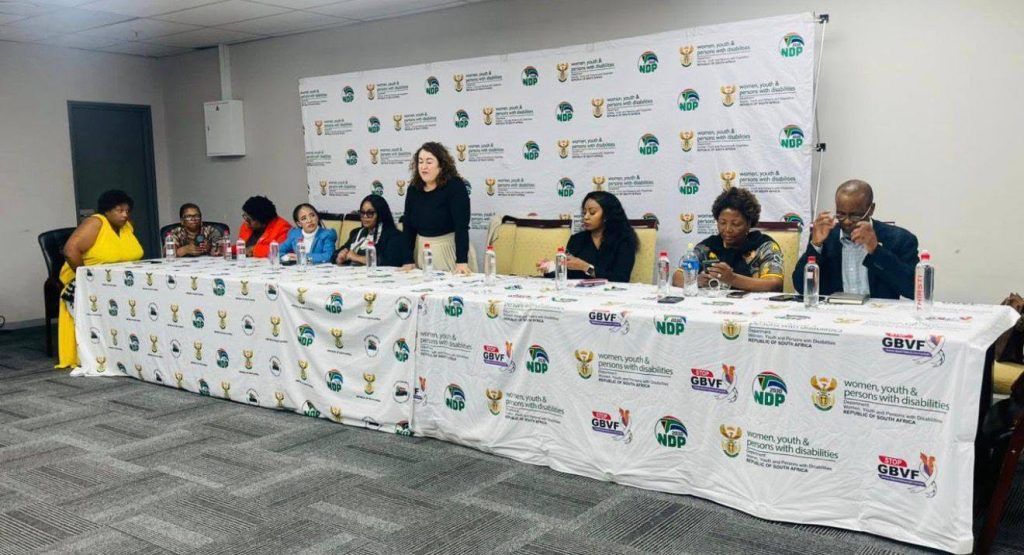
The Portfolio Committee on Women, Youth and Persons with Disabilities questioned the commission’s financial sustainability during its consideration of the CGE’s 2025/26 annual report.
The committee also called for stronger accountability measures where officials are implicated in financial misconduct.
Deficit almost doubles
The committee was informed that the CGE had recorded deficits for two consecutive financial years.
Its latest deficit was almost double the amount reported in the preceding year.
Members questioned whether the commission was exercising sufficient control over expenditure, particularly as the value of performance bonuses was close to the size of the deficit.
The committee also raised concerns about the use of bonuses to supplement salaries.
It called for a clearer approach to remuneration and performance incentives, particularly given the commission’s financial constraints.
The CGE is a constitutional institution established to promote, protect and monitor gender equality in South Africa.
Its financial position is therefore relevant to its ability to investigate complaints, conduct research and monitor compliance with constitutional equality protections.
Consultancy expenditure doubles
Parliament also questioned the commission’s increasing reliance on external consultants.
The committee heard that consultancy expenditure had doubled compared with the previous financial year.
Members requested explanations for the increase and questioned whether vacancies in the commission’s research unit had contributed to the additional spending.
The committee also asked why vacant research positions had not been filled.
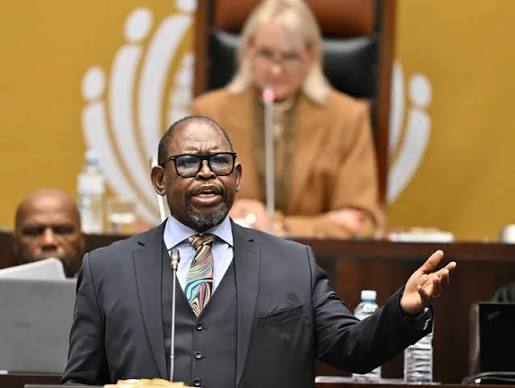
Committee chairperson Liezl van der Merwe questioned the outsourcing of activities including newsletters, report writing and research.
She noted that commissioners had previously included experienced academics capable of contributing to the institution’s research responsibilities.
The committee requested greater clarity about whether outsourcing was delivering sufficient value.
R75,000 monthly IT expenditure questioned
The commission’s information technology arrangements also came under scrutiny.
Parliament was informed that the CGE spends approximately R75,000 a month on external IT services.
Committee members questioned whether the expenditure was producing adequate improvements in the institution’s administrative systems.
Despite using external consultants, the CGE had not made sufficient progress in moving from manual processes to digital or cloud-based systems, according to the committee.
Members asked the commission to review its IT strategy and clarify whether its service provider would support broader digital transformation or continue providing routine technical assistance.
The committee said the institution needed to demonstrate that consultancy expenditure was producing measurable improvements.
Parliament questions reported 98% performance achievement
The CGE reported achieving 98% of its annual performance targets.
However, the committee raised concerns about weaknesses identified by the commission’s audit and risk committee in the verification of performance information.
Members questioned how Parliament could rely fully on the reported achievement rate when the systems used to verify performance remained inadequate.
The concerns do not establish that the commission’s reported achievements were false.
They indicate that the committee wants stronger evidence and more reliable verification procedures to support future performance reporting.
Parliament also questioned whether commissioners were making sufficient contributions to the institution’s mandate.
Van der Merwe said the annual report did not adequately explain how commissioners had contributed to achieving the CGE’s targets.
Historical irregular expenditure examined
The committee also considered irregular expenditure identified by the Auditor-General.
According to the CGE, the finding related to a historical matter involving a panel of attorneys that had been incorrectly appointed.
Members called for stronger consequence management where officials are found responsible for financial misconduct.
The committee argued that resignation should not automatically prevent accountability processes from continuing.
It also urged the commission to examine lawful options for recovering financial losses after implicated employees leave the institution.
Van der Merwe acknowledged that recovery proceedings could be complicated by legal costs and prescription periods.
She suggested that legislative changes, potentially including a review of the Prescription Act, could be considered to strengthen accountability.
The committee did not announce criminal charges or identify specific officials as having committed offences.
Commission says funding remains inadequate
The CGE’s financial difficulties were considered alongside concerns about its available funding.
The committee expressed concern that the institution was substantially underfunded relative to its constitutional responsibilities.
Members requested a business plan setting out the resources required for the commission to fulfil its mandate.
The committee indicated that it would consider supporting an appropriate funding proposal based on an agreed plan.
Parliament also welcomed the CGE’s work to advance equality for domestic workers.
However, members called for greater attention to inequality affecting women in different forms of marriage, including traditional, Islamic and civil marriages.
They also raised concerns about inequality within households and religious institutions.
Further accountability measures expected
The committee’s findings place renewed pressure on the CGE to strengthen financial controls, improve performance verification and demonstrate value for public expenditure.
The commission will be expected to provide further explanations concerning consultancy spending, staffing vacancies and its financial recovery requirements.
Parliament’s consideration of the annual report will also inform its continuing oversight of the institution.
The next test will be whether the CGE can address its financial weaknesses while maintaining the independence and institutional capacity required to fulfil its constitutional mandate.